Our Guide to Window Treatments
We’re pulling back the curtain on our approach and preferred formula to window coverings.

Types of Window Treatments We Often Use in Our Projects
No. 1: Shades
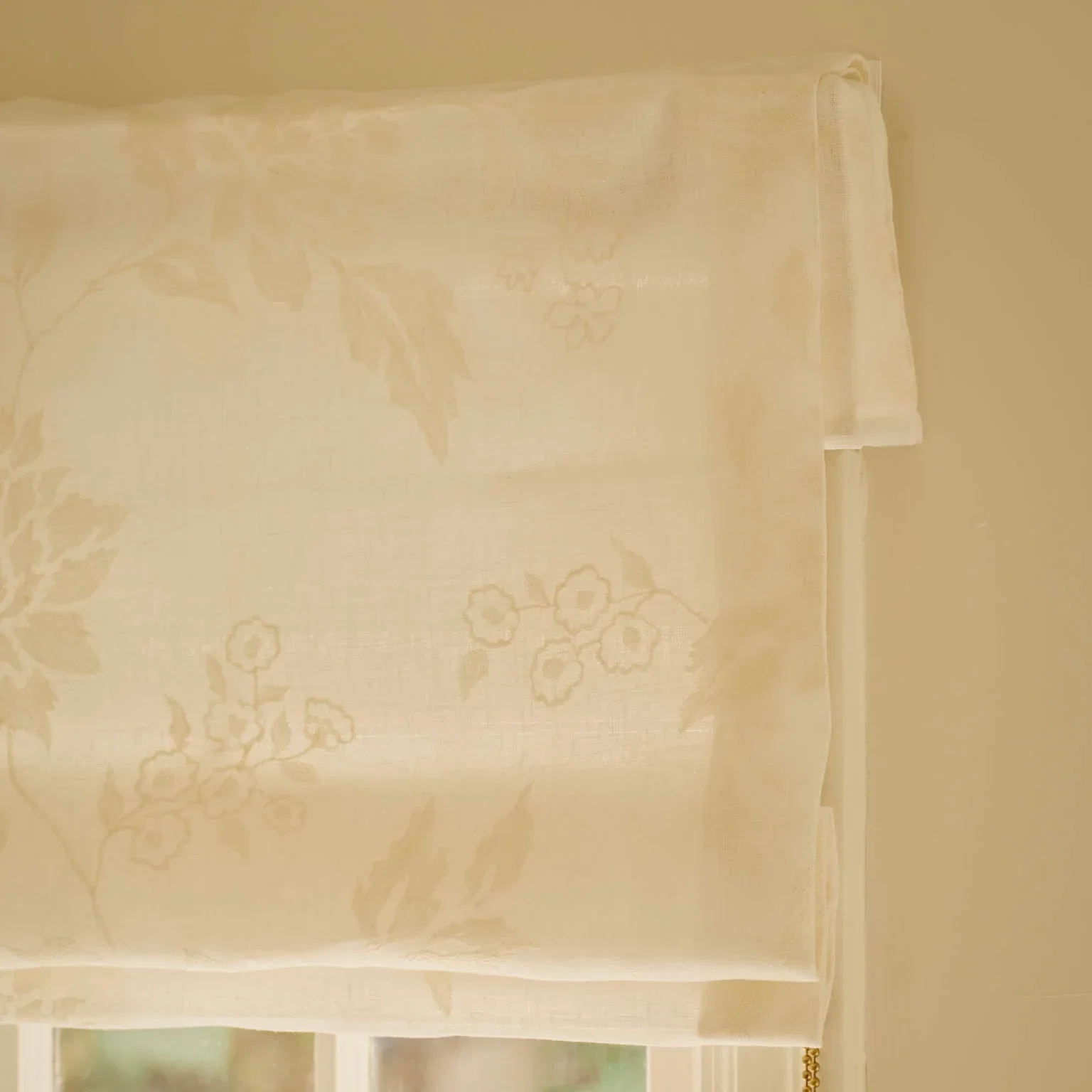
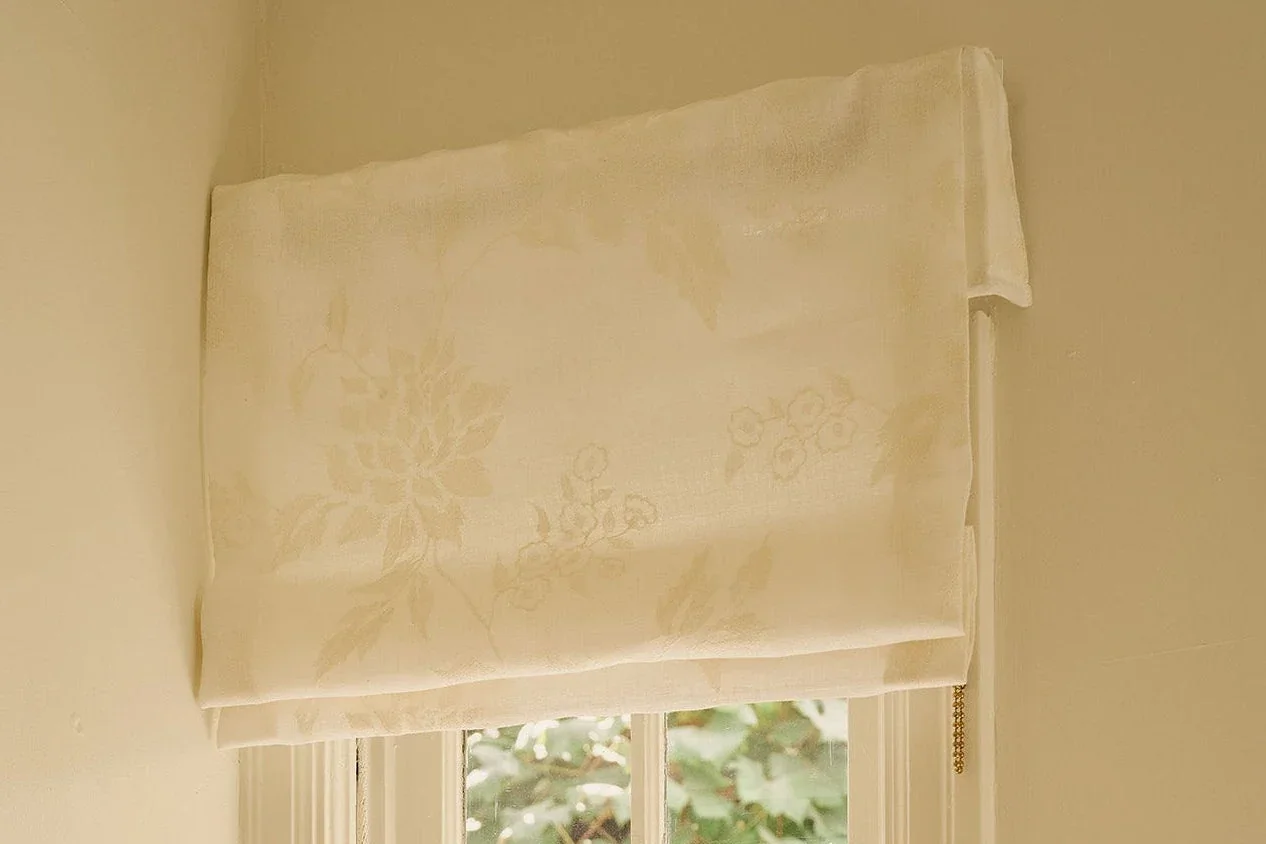
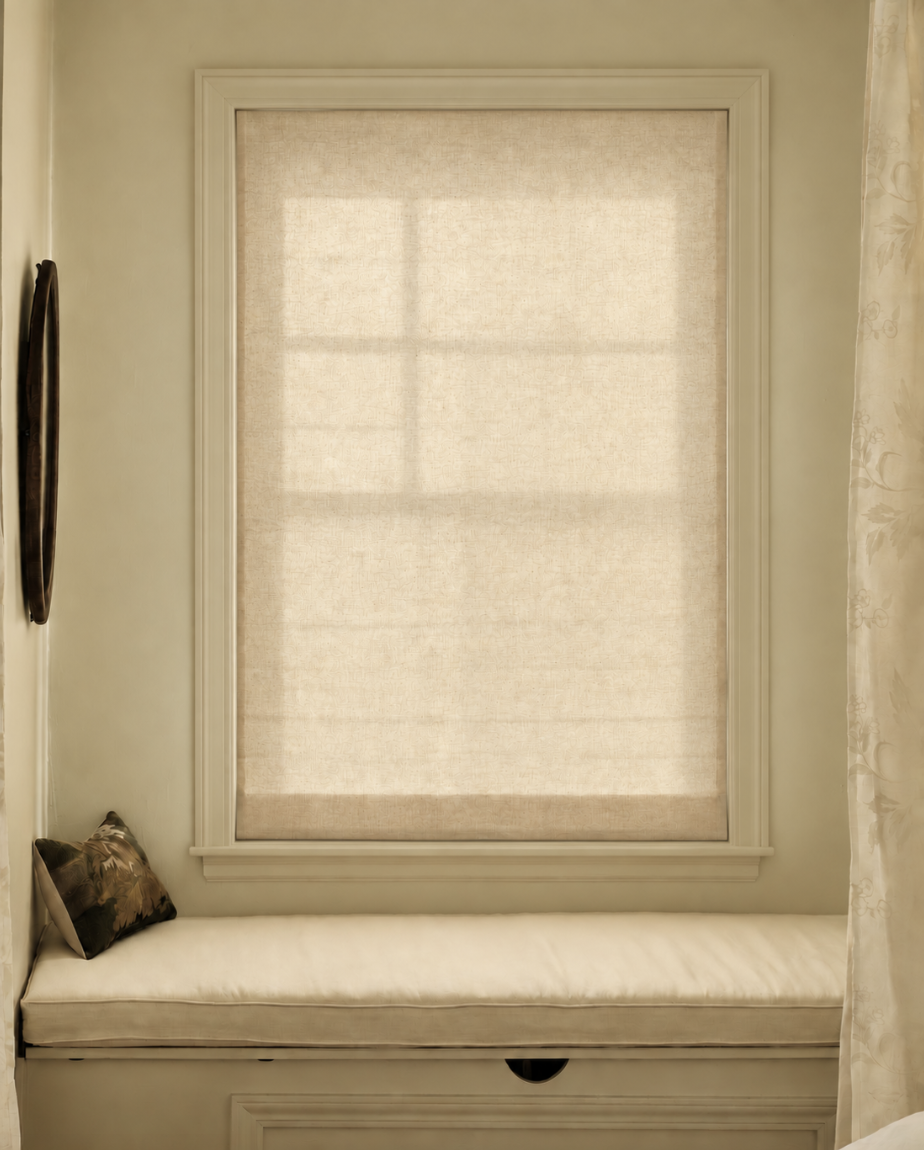
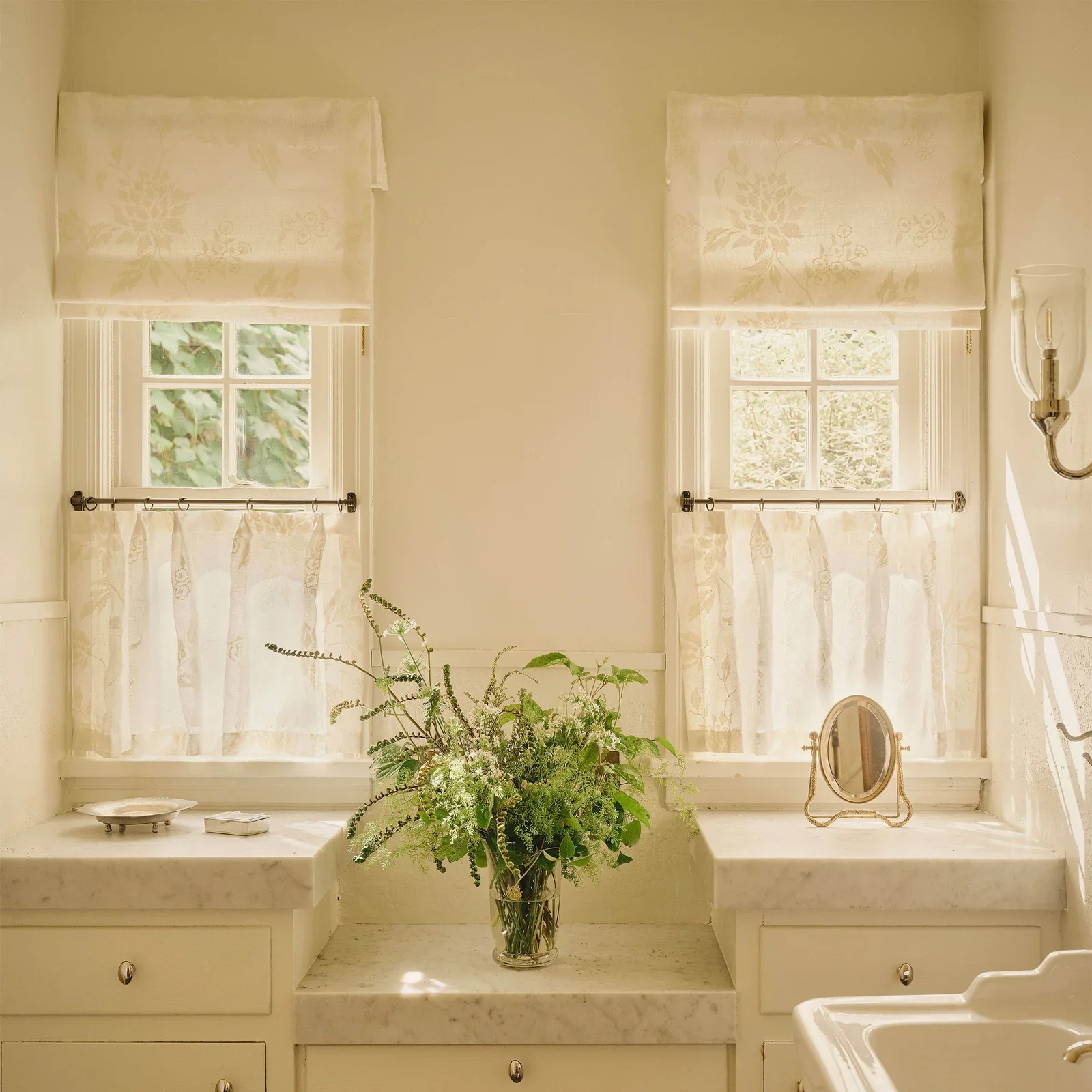
Relaxed Roman Shade
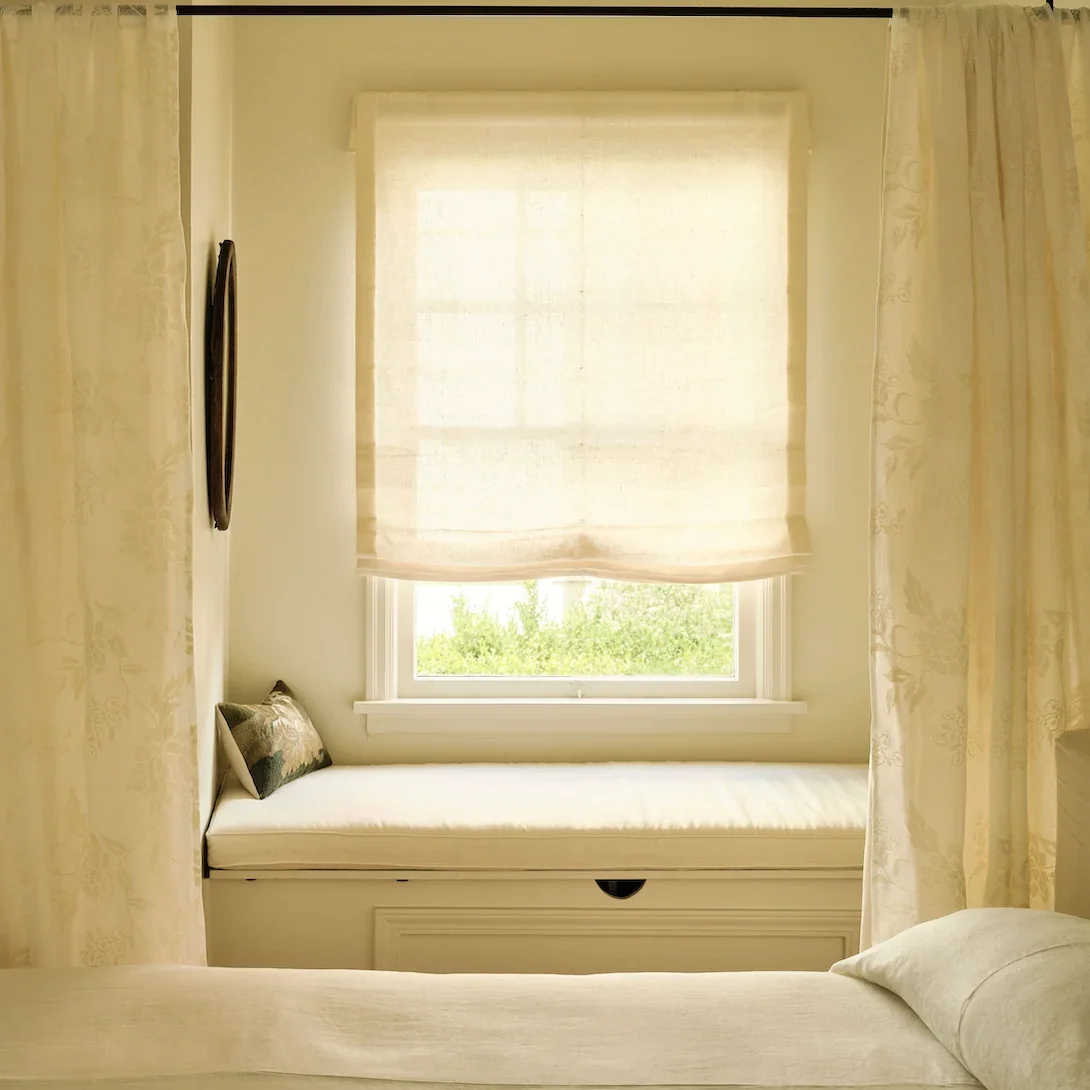
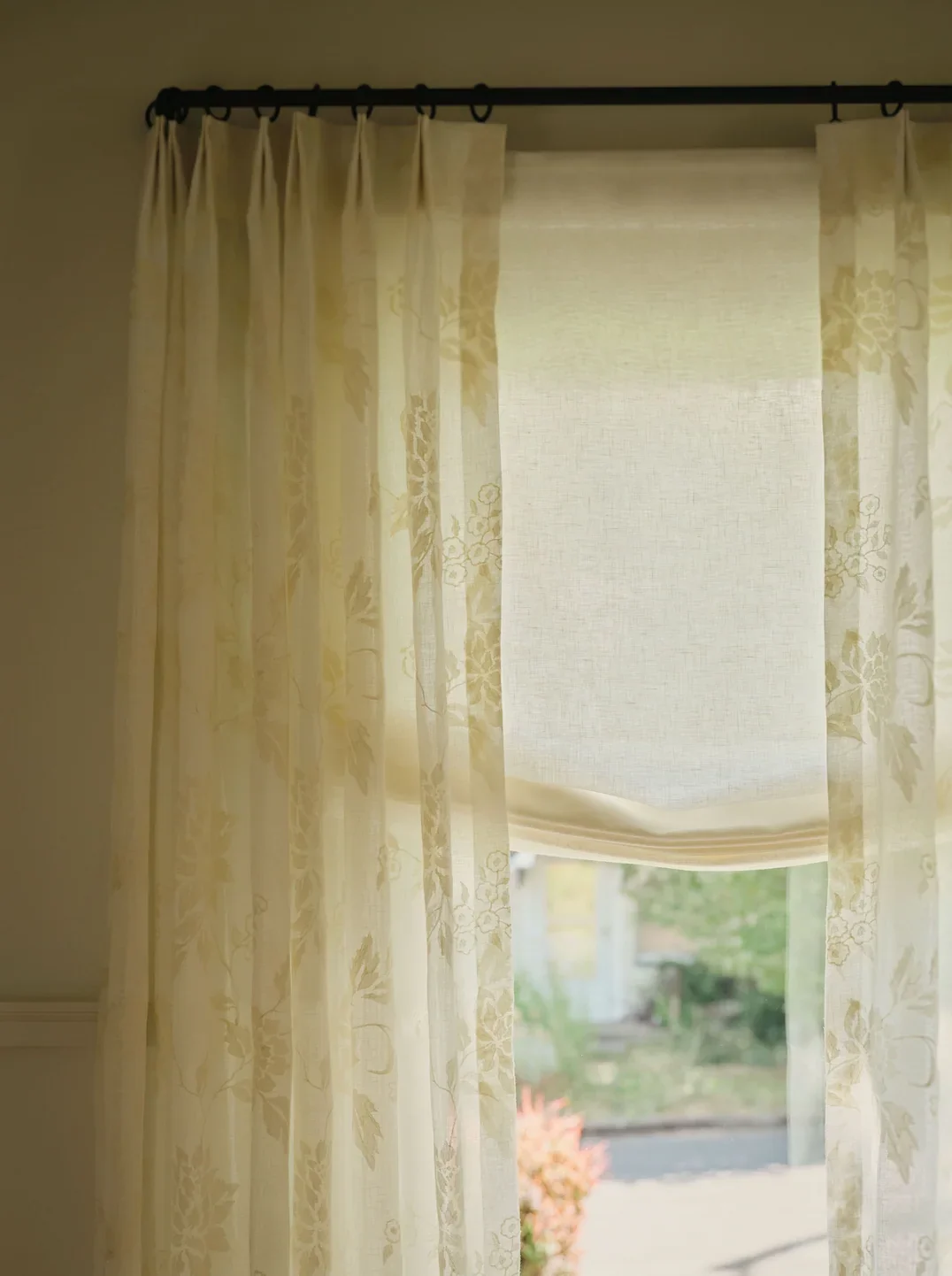
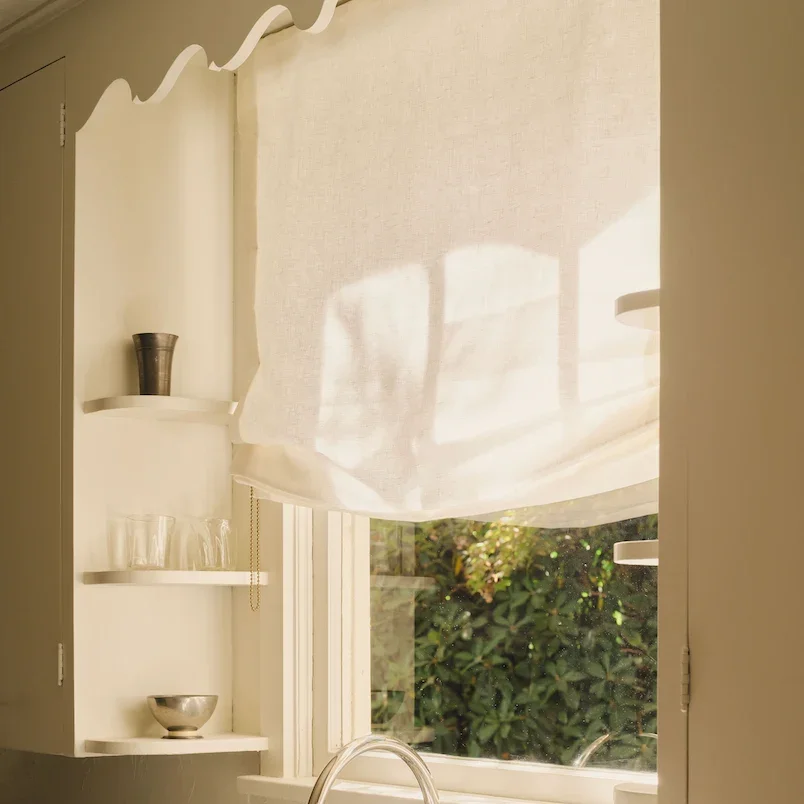
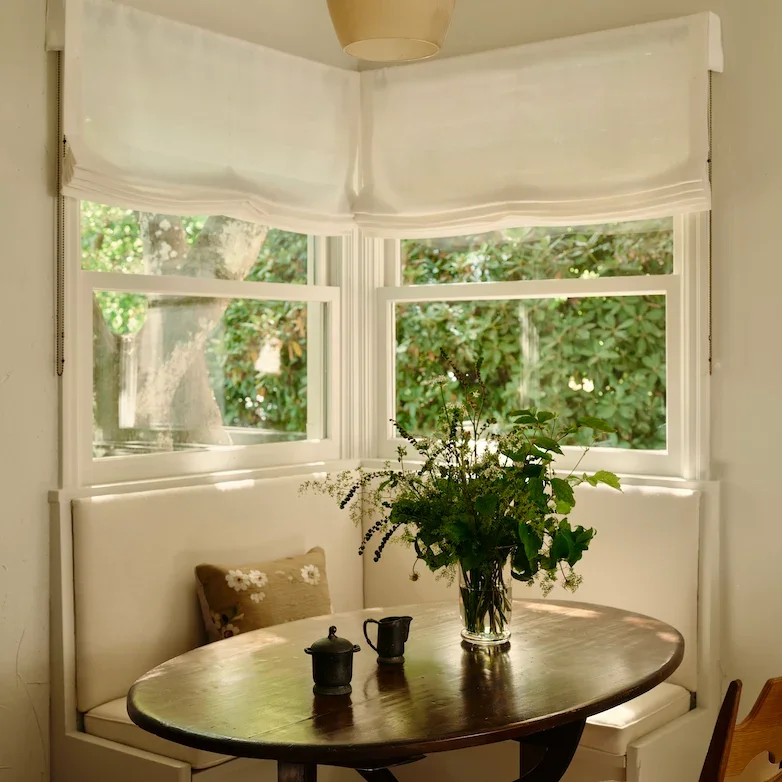
A relaxed Roman shade is a window treatment made from soft, unstructured fabric that features a gentle, curved “smile” or swag along the bottom hem rather than a straight, rigid line. When lowered, the bottom middle of the fabric dips into a soft, romantic arc or smile, often forming one or two permanent gentle folds. Unlike standard or flat Roman shades that use horizontal stiffening rods or dowels (ribs) to create crisp, geometric folds, relaxed shades lack internal middle support. They are typically crafted from breathable, drapable materials like linen, cotton, or polycotton blends that fall in a soft natural wave.
Why We Love It The Relaxed Roman Shade brings an easy softness to a traditionally tailored silhouette. Defined by its subtle gathering along the bottom, the shade has a gentle drape that gives the fabric movement and keeps the window from feeling too formal. We reach for this silhouette in bedrooms, kitchens, and casual spaces where a little softness can shift the feeling of the entire room. It adds an informal, airy, and artisanal look that fits well in many different style interiors, including country, cottage, traditional and more.
Flat Roman Shade
A flat Roman shade is a clean, modern window treamtment made from a continuous panel of fabric that hangs completely flat and smooth when lowered, and stacks into neat, horizontal folds when raised. Unlike hobbled or draped styles that feature cascading or looped folds down the front, flat Roman shades have an unadorned, tailored face. Because the front surface is smooth and free of major horizontal interruptions, they are the ideal style for showcasing large-scale prints, vibrant colors, or intricate patterns. They typically use hidden horizontal internal rods (battens) or back-slat pockets on the rear side to guide the fabric into crisp, even folds when you pull the shade up.
Why We Love It Tailored and architectural, the Flat Roman Shade lets material take the lead. Its clean silhouette creates a quiet backdrop for solids while giving stripes, botanicals, and other patterns room to be fully seen. With less gathering than a relaxed shade, the silhouette brings structure to the window and works particularly well when the fabric itself is intended to become part of the room’s composition. A considered choice for spaces that call for softness with a more tailored restraint.
No. 2: Drapes
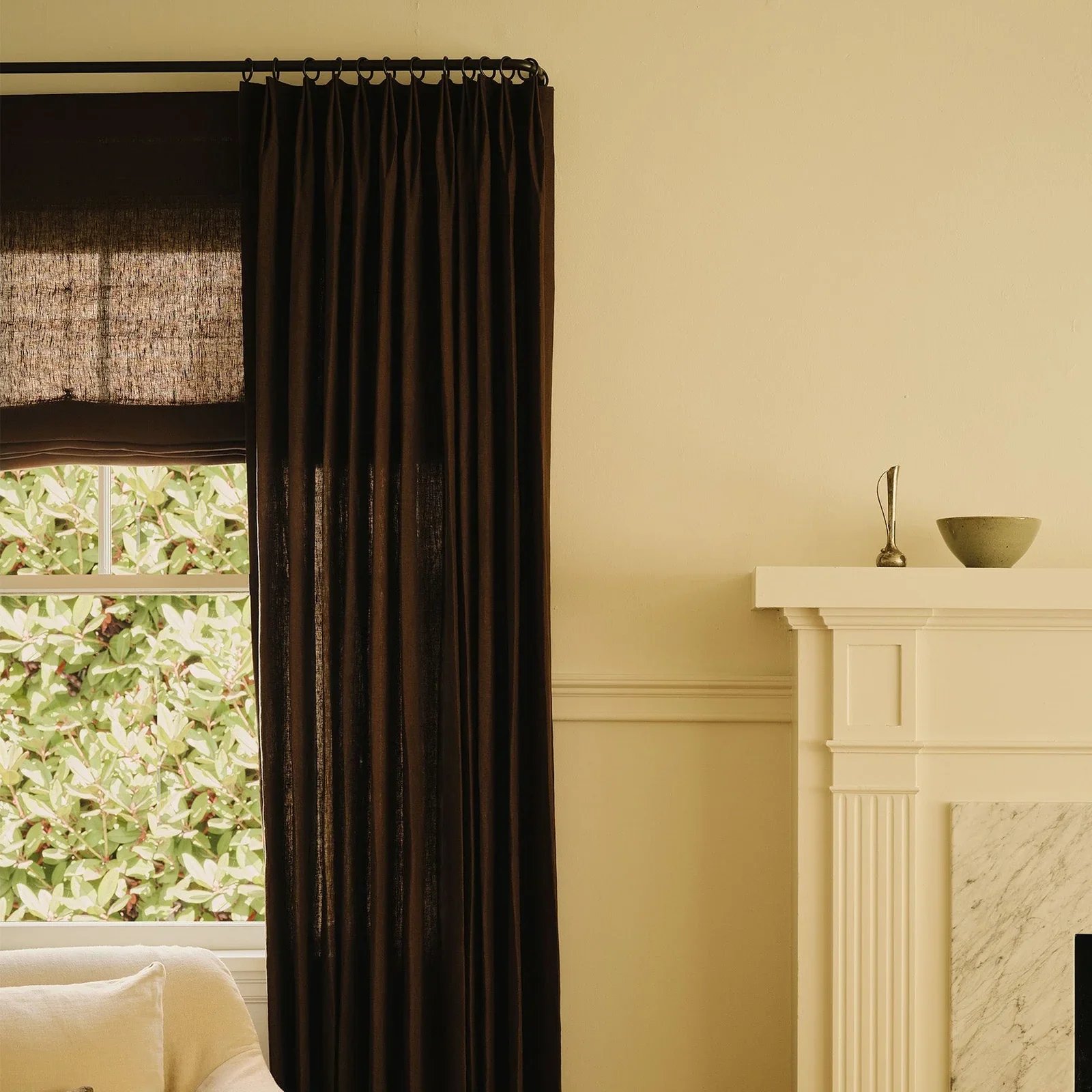
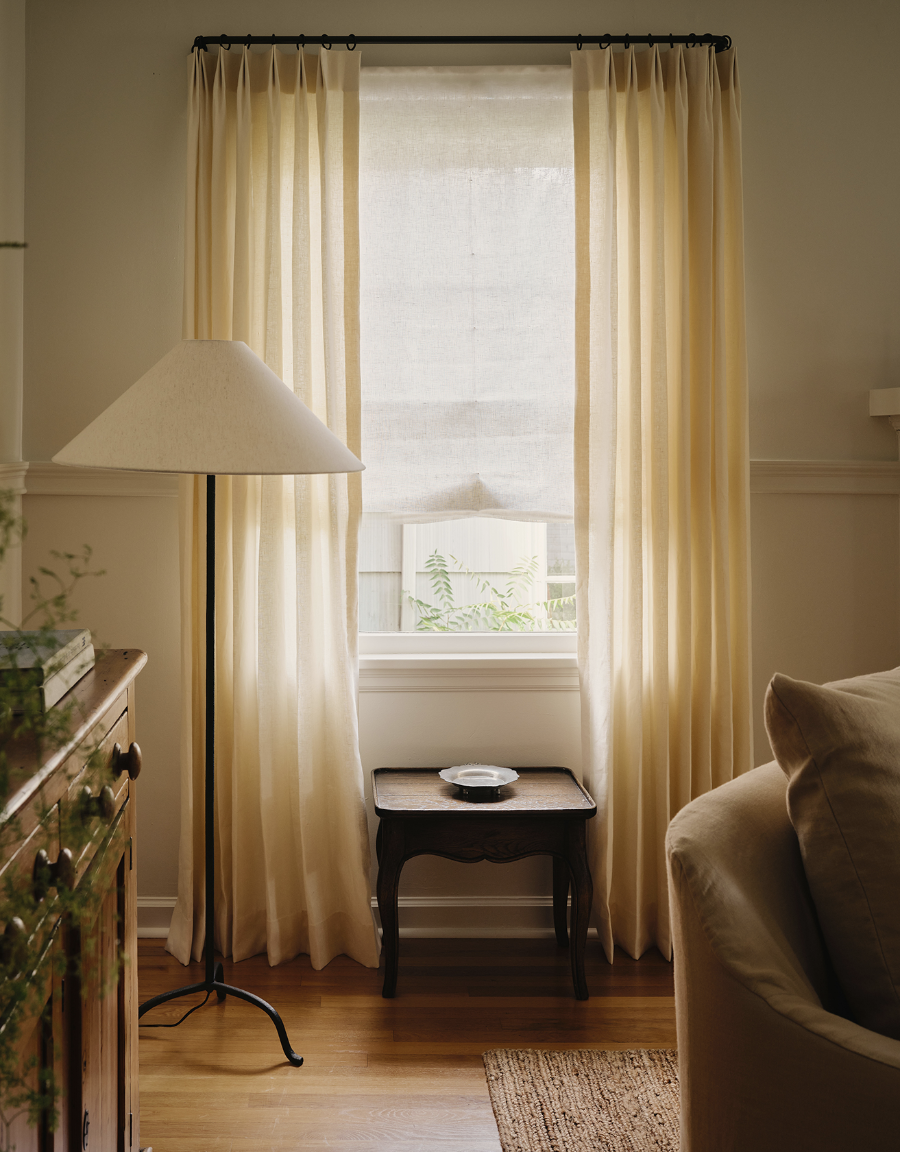
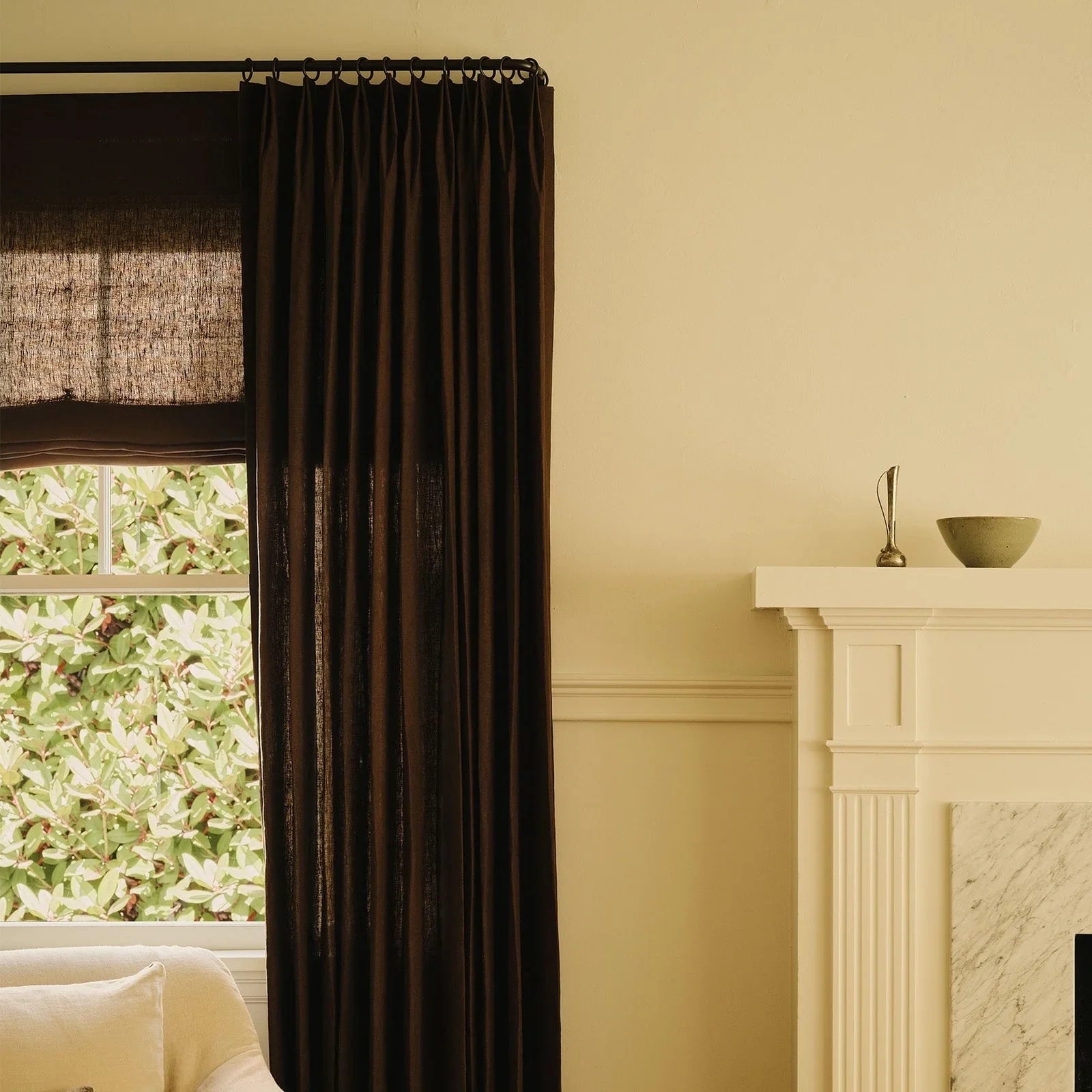
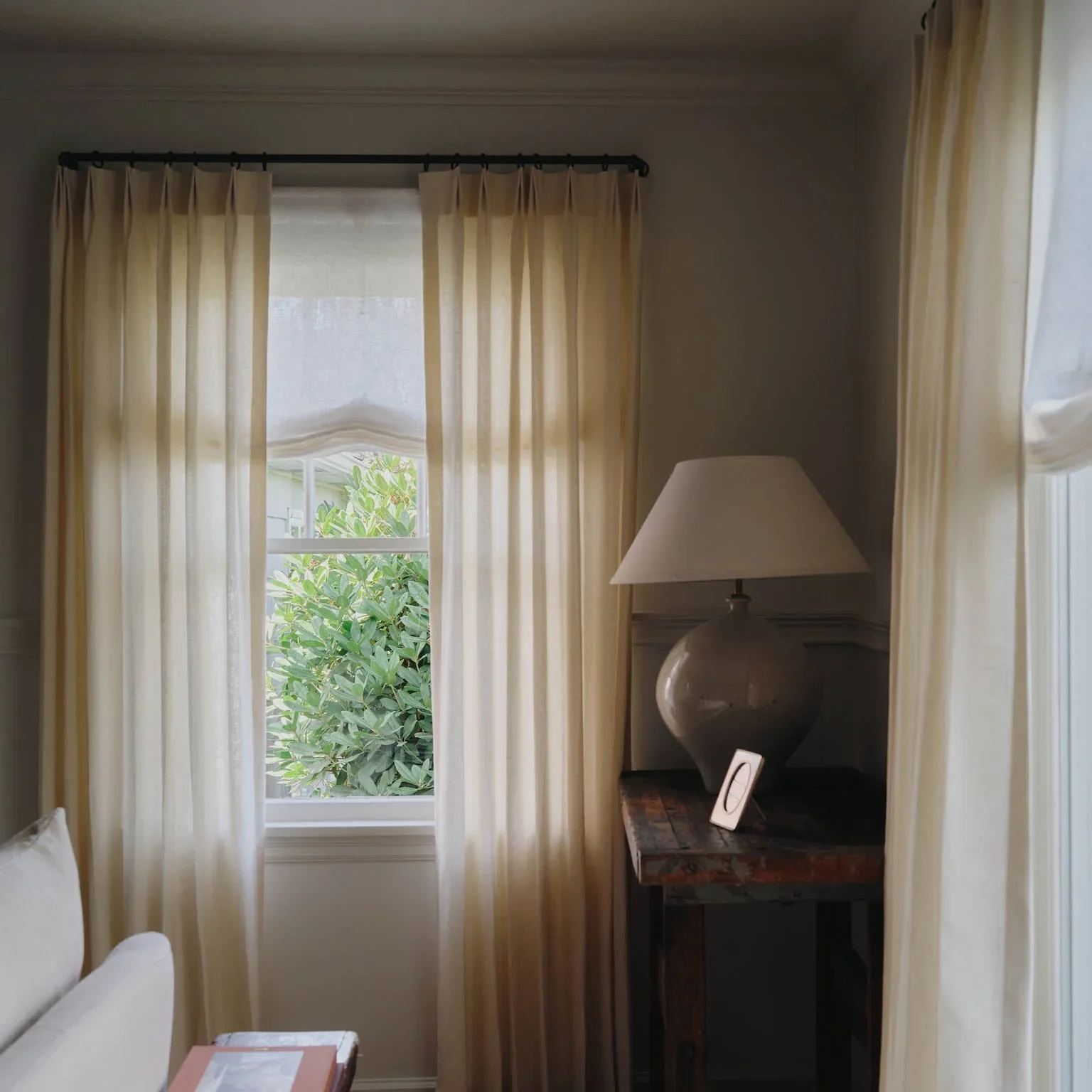
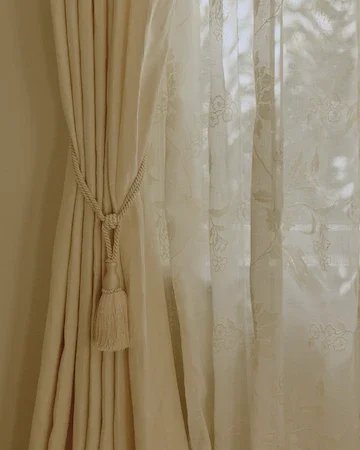
Tailored Pleat Drapery
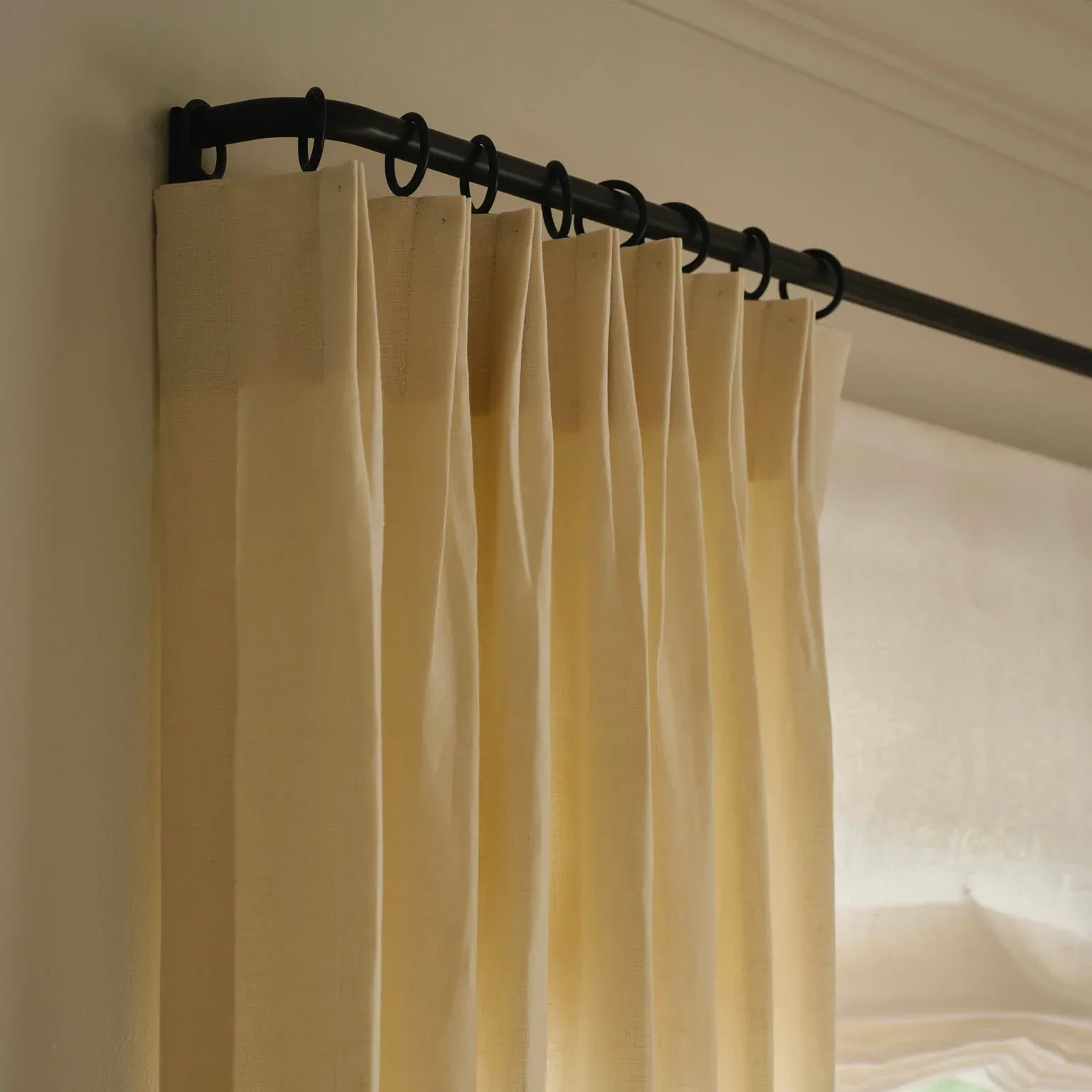
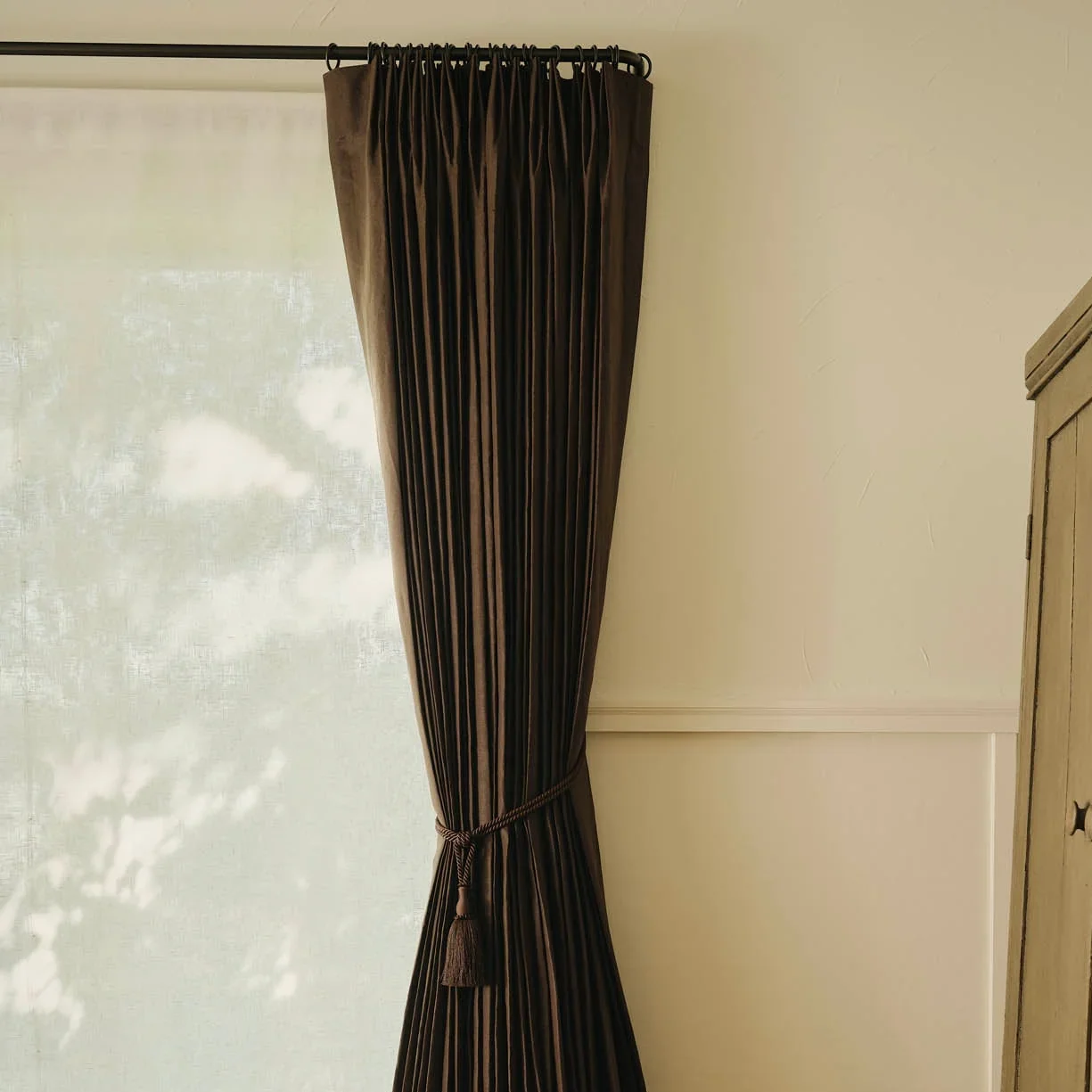
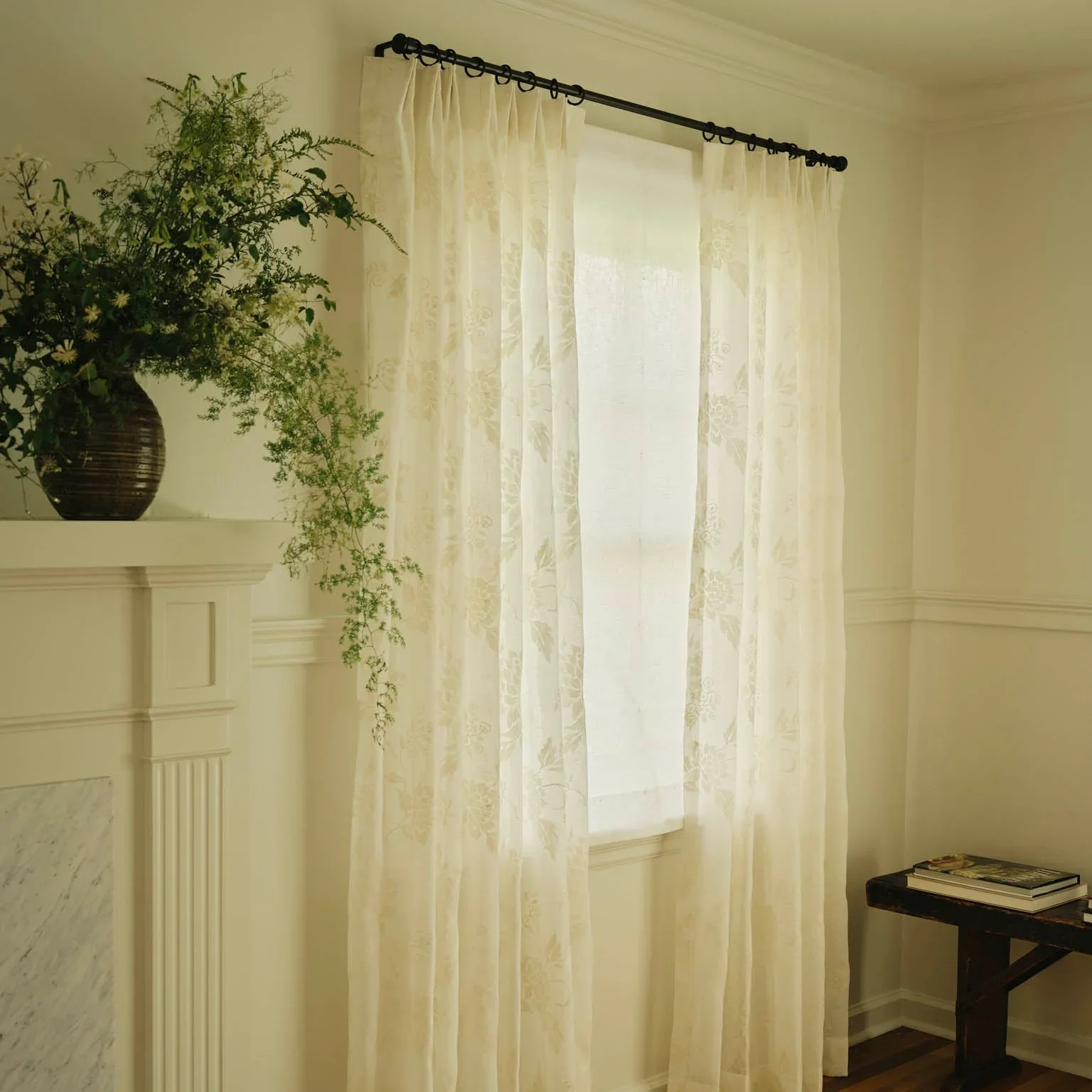
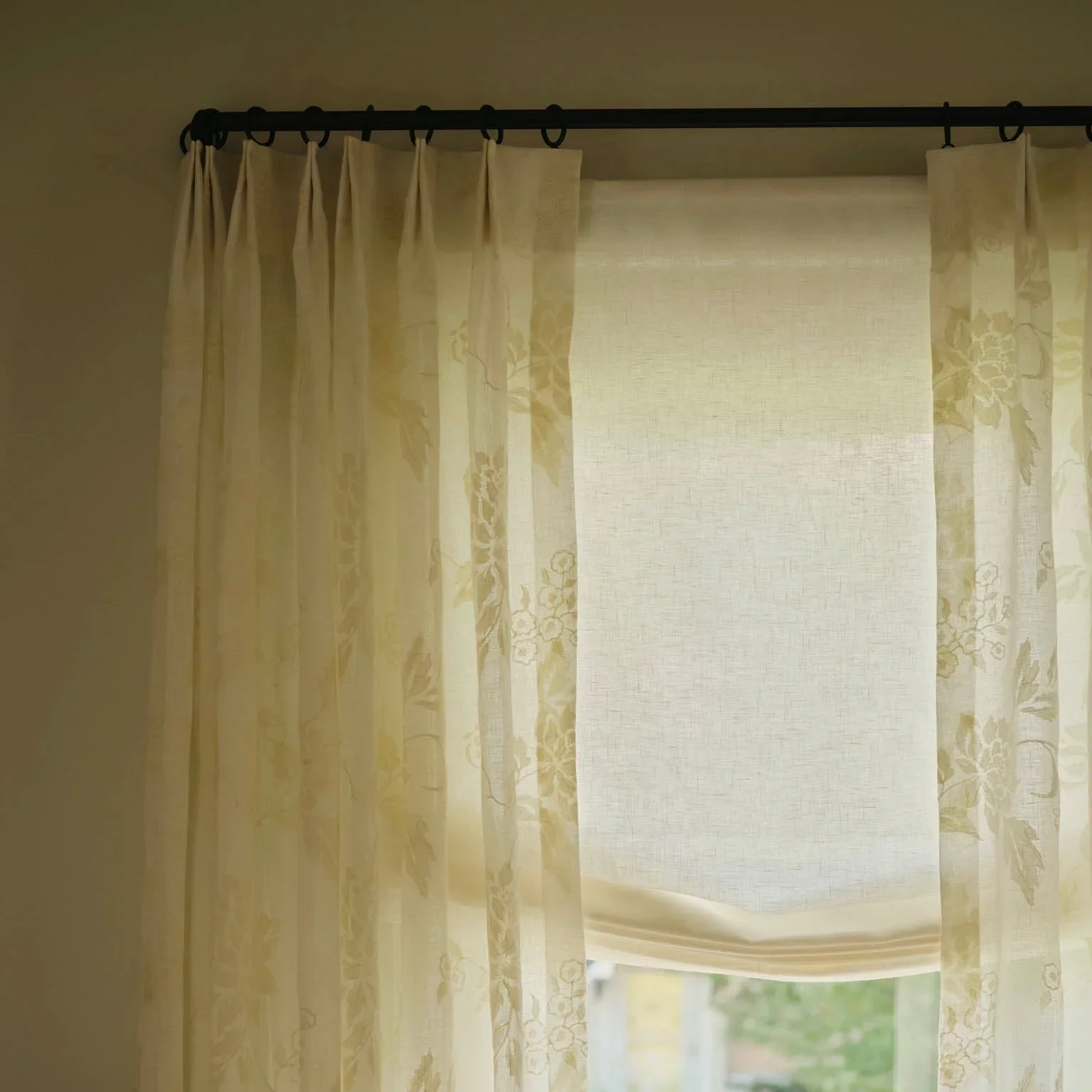
Tailored pleat drapery is a window treatment style where the fabric is gathered and tacked at the very top edge of the panel, creating a sleek, streamlined appearance with deep, regular folds that fall straight to the floor. Unlike traditional pinch pleats (which are pinched 1 to 4 inches below the top edge), tailored pleats are tacked right at the very top seam. Each pleat typically uses a 4-inch stiffener (buckrum) inside the heading to maintain clean shape, stability, and smooth operation. They commonly feature three-finger pleats (or two-finger options) that fold evenly to give a structured yet minimalist look. Tailored pleats work well on both standard traverse tracks and rings with rods. The top-tacked heading removes bulky or distracting fabric bumps at the crown, giving a cleaner, more contemporary profile than classic pinch pleats. Because the lines run straight from the top of the track or rod, they are ideal for tall windows, glass doors, or making shorter windows and ceilings appear taller.
We We Love It Tailored pleat drapery brings structure and softness to the window in equal measure. Designed to fall with a considered weight and an easy, natural drape, each panel feels grounded in the architecture of a room. It’s a window treatment built around proportion, material and the quiet details that make a room feel complete.
+ Drapery Add-Ons
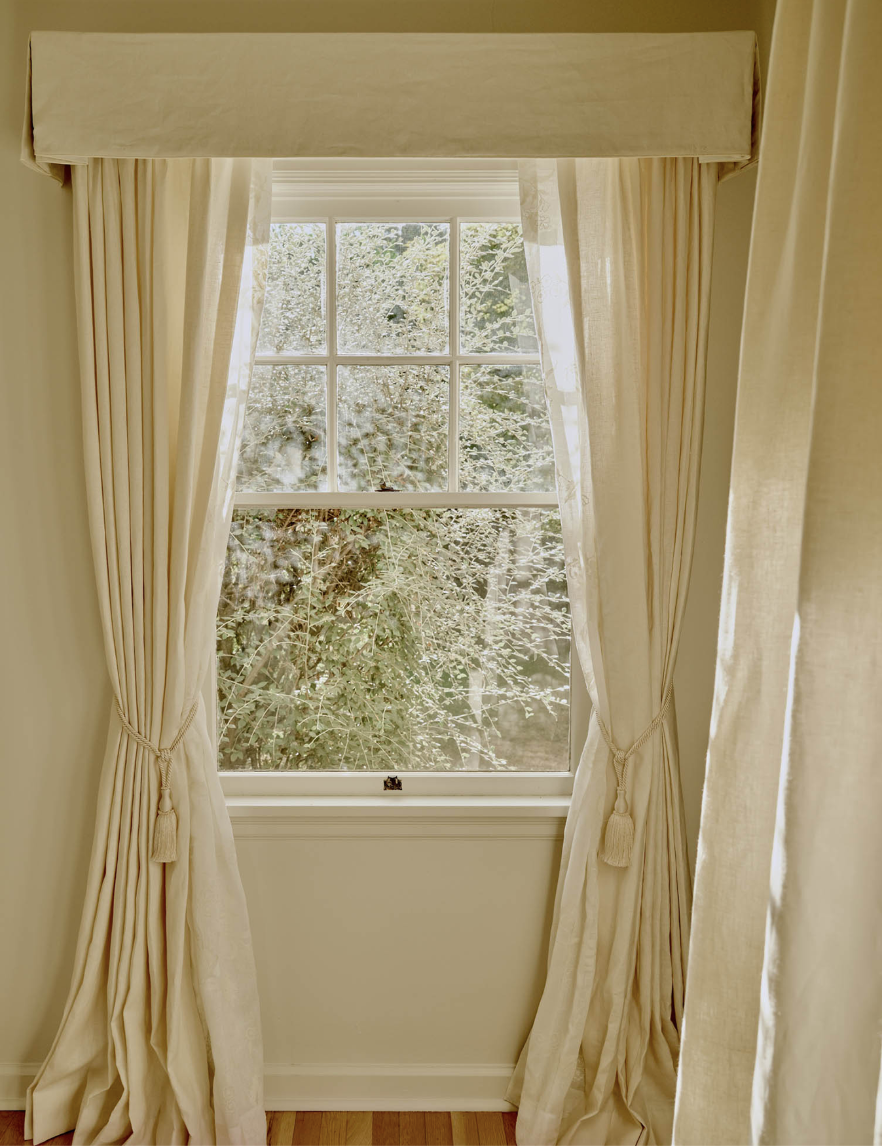
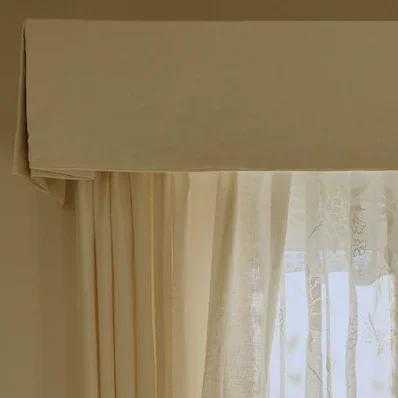
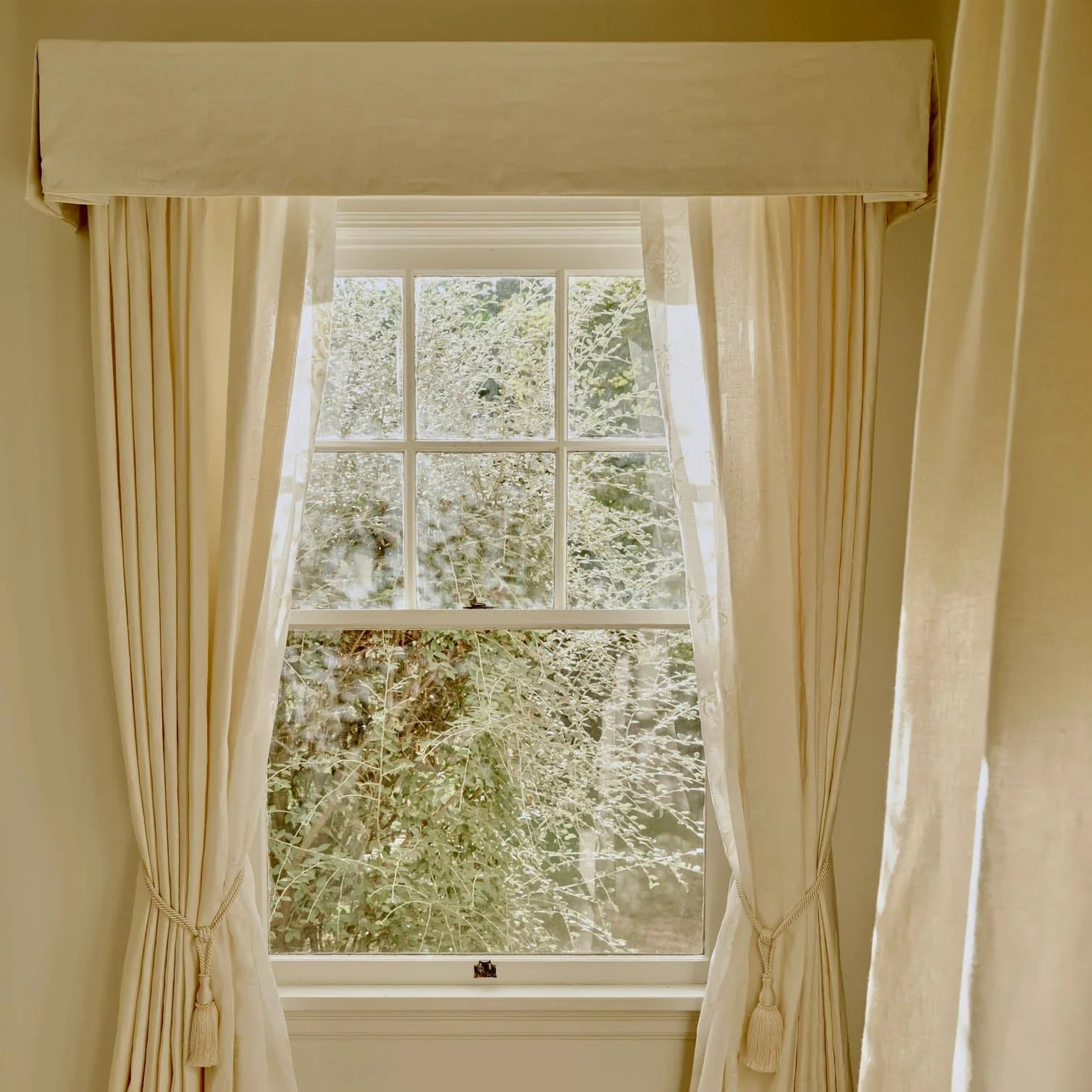
Soft Valance Drapery
A soft valance drapery is short, decorative fabric window treatment that hangs loosely across the top of a window to hide hardware, soften architectural lines, and add color, pattern or texture. Unlike a rigid cornice or pelmet—which is made of hard wood or stiffened foam covered in fabric—a soft valance is made entirely of flexible cloth that drapes, gathers, pleats, or cascades naturally. With its fabric-based construction, it’s made from materials like cotton, linen, silk, velvet, or polyester blends that move and flow. It hangs freely (via a rod pocket, tabs, or rings) rather than being stapled to a stiff wooden headboard. Most soft valances measure roughly 9 to 14 inches long, covering only the upper portion of the window. Valances can be tailored (flat and smooth), gathered/ruffled, scalloped, or draped like a flowing fabric.
Why We Love It A softer expression of traditional drapery, the Soft Valance Drapery introduces a layer over the window for a sense of inherited softness. We are drawn to the silhouette for the way it can feel nostalgic without feeling overly decorative. The valance brings subtle movement and dimension to the window while the drapery falls naturally below, creating a look that feels especially at home in bedrooms and more intimate spaces.
No. 3: Curtains
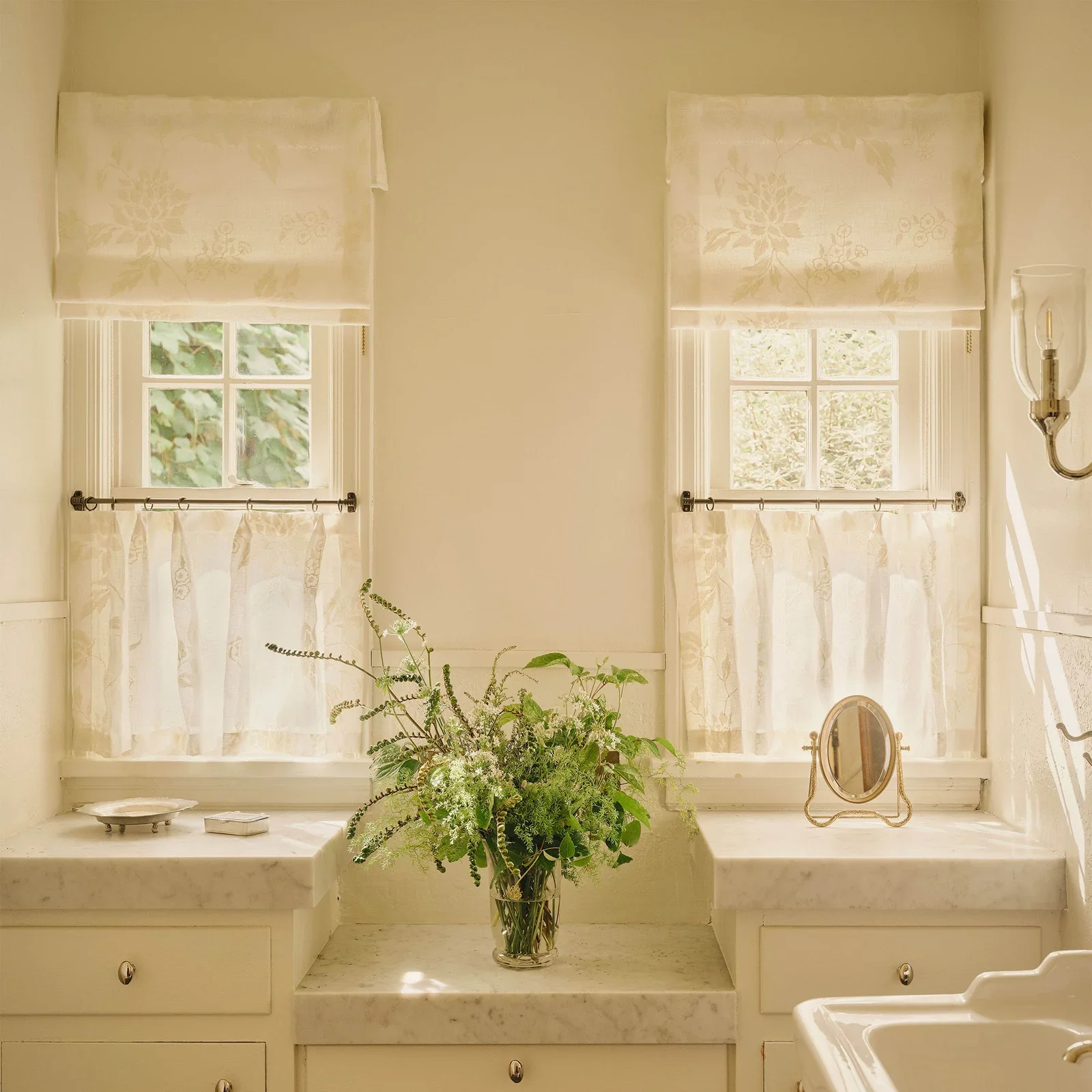
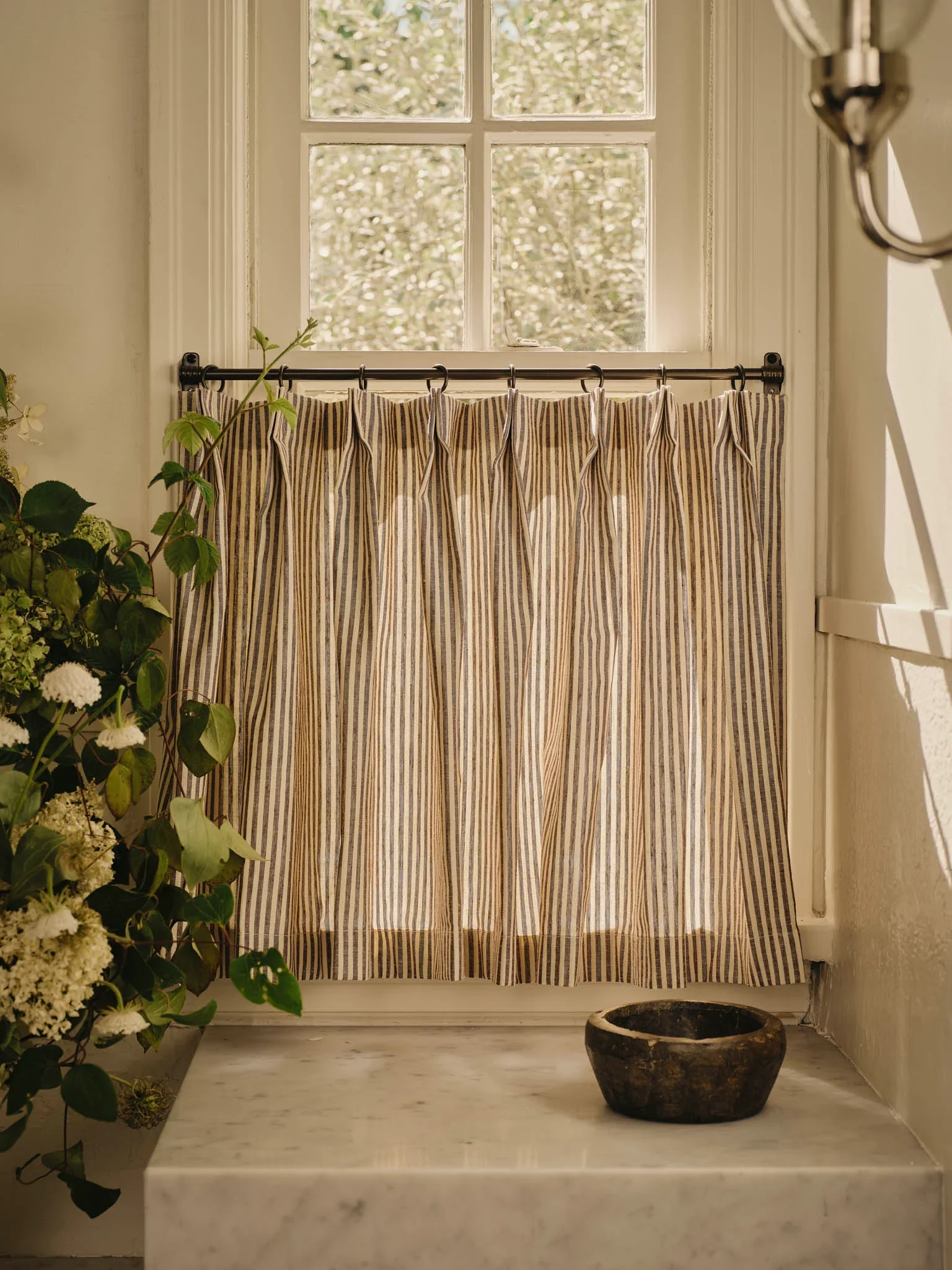
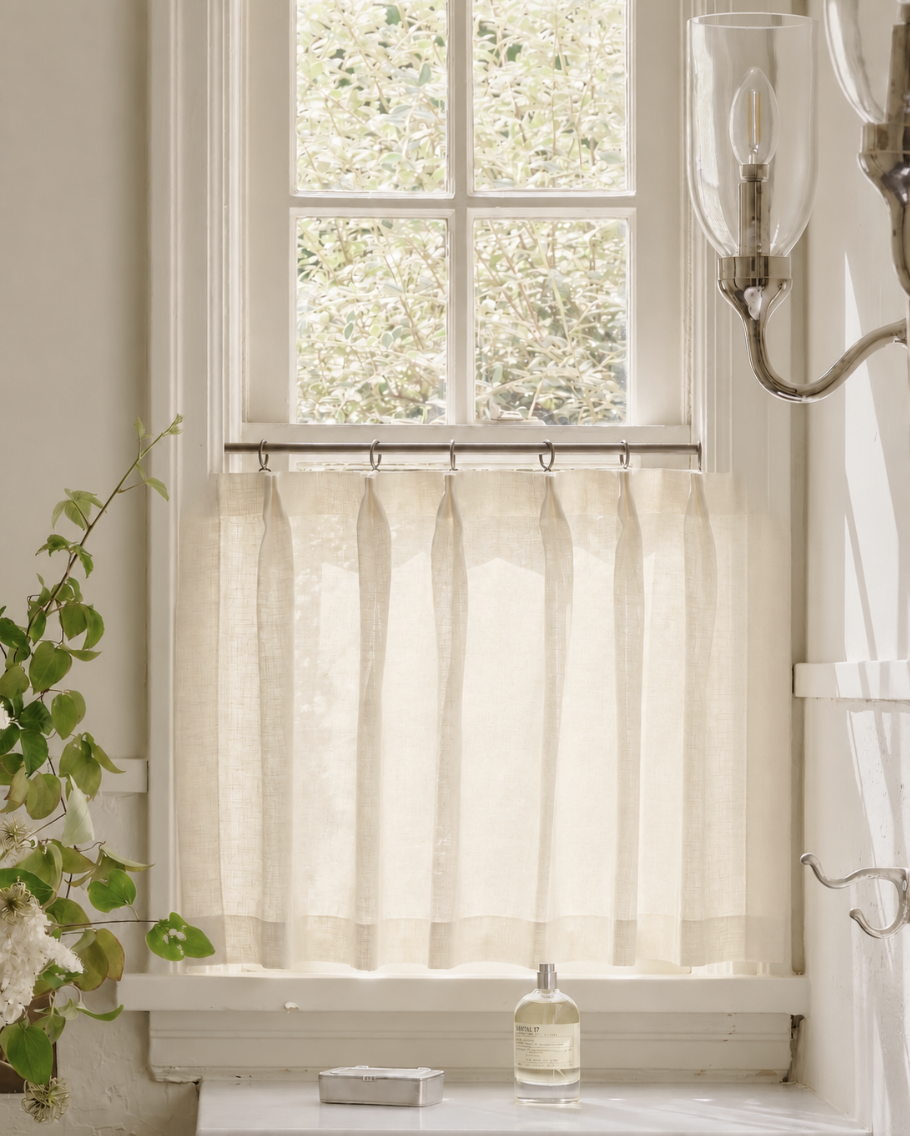
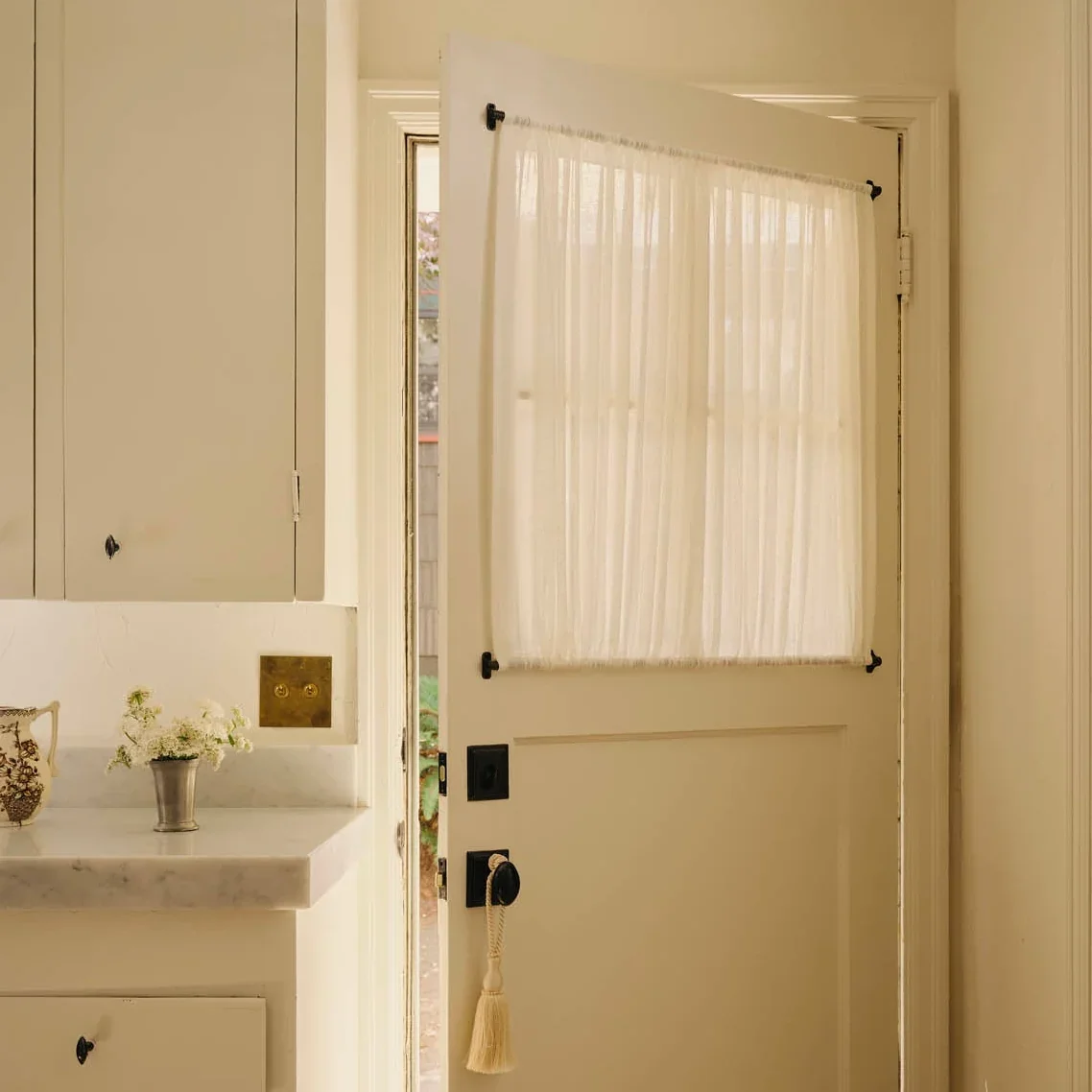
Cafe Curtains
Cafe curtains are short window panels that cover only the lower half to three-quarters of a window, leaving the upper portion exposed to let in natural light. Typically measuring between 20 and 36 inches long, they stretch from roughly the middle of the window down to the sill. They block street-level views and provide eye-level privacy while keeping the upper glass clear for sunshine and outdoor views; often made from lightweight, airy materials like cotton, linen, or sheer weaves. Usually mounted using small-diameter curtain rods, tension rods, or clip rings, making them easy to install or remove without heavy hardware. They’re often used in kitchens, breakfast spaces, bathrooms, laundry rooms, pantries and ground floor or street-facing windows, adding a soft, casual, or vintage look reminiscient of French bistros.
Why We Love It A nostalgic silhouette designed for windows where privacy and natural light need to live together. Cafe Curtains cover only a portion of the window, allowing the changing light and landscape beyond it to remain part of the room. The softly gathered fabric brings texture and movement without asking for too much attention - a natural choice for smaller windows throughout the home.
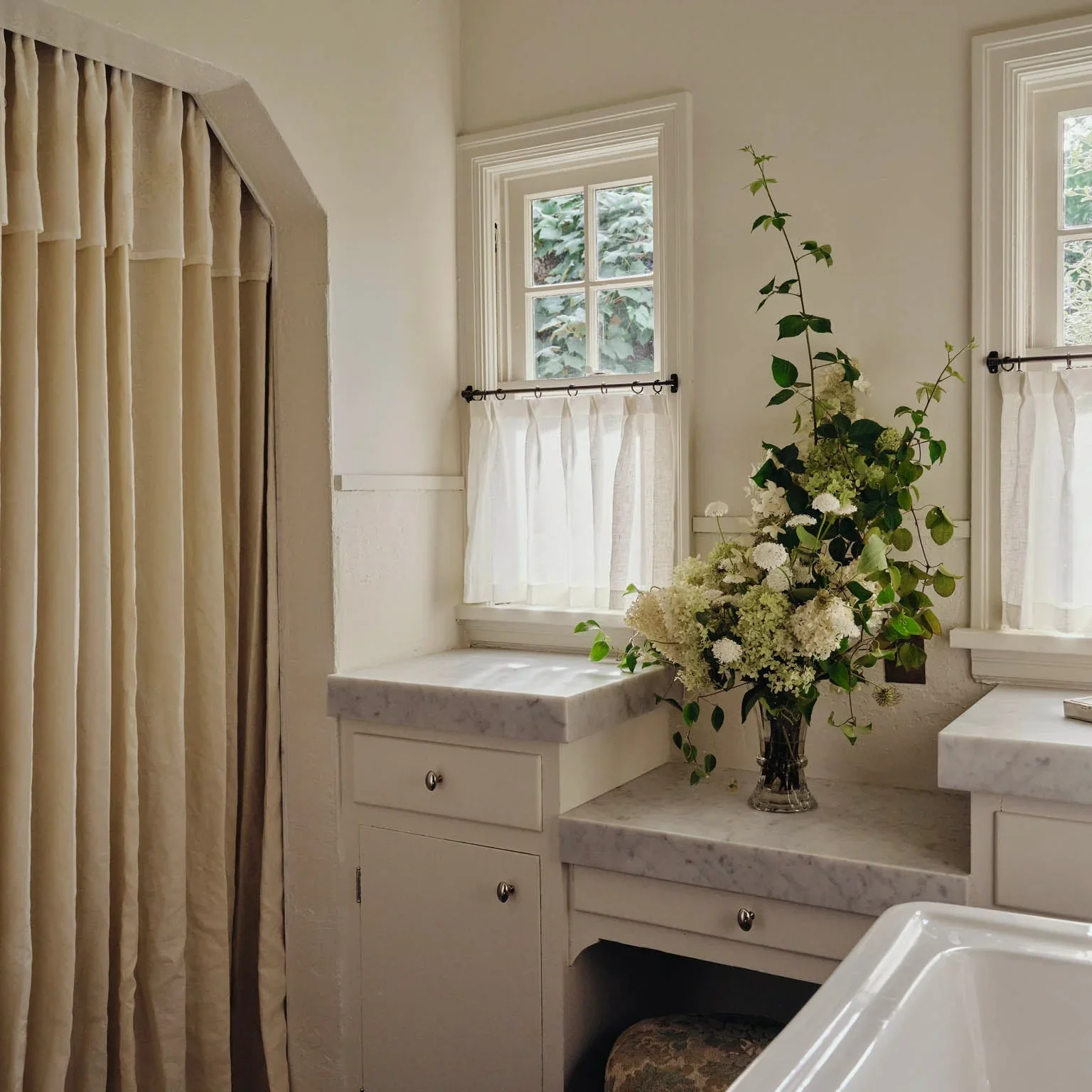
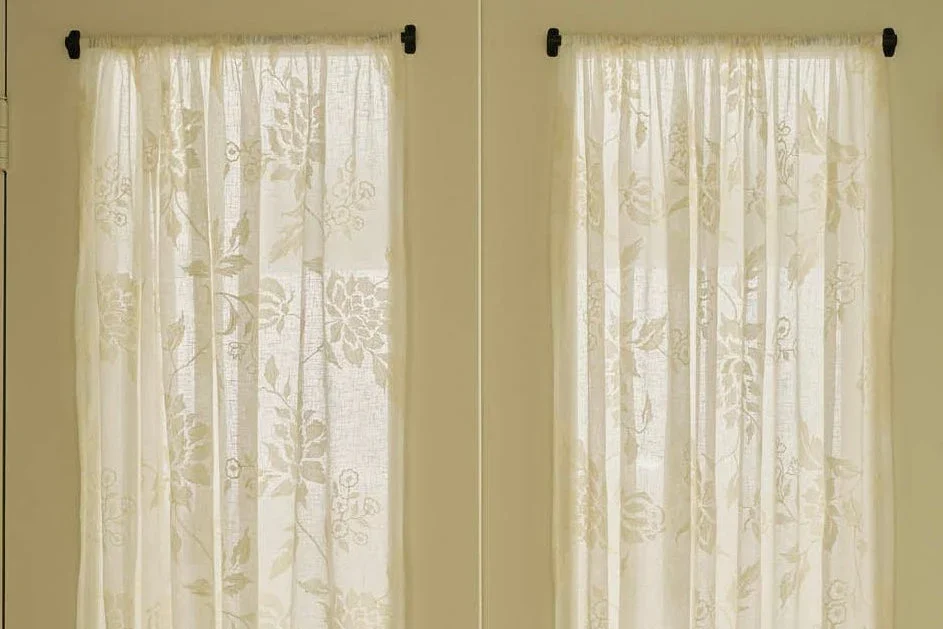
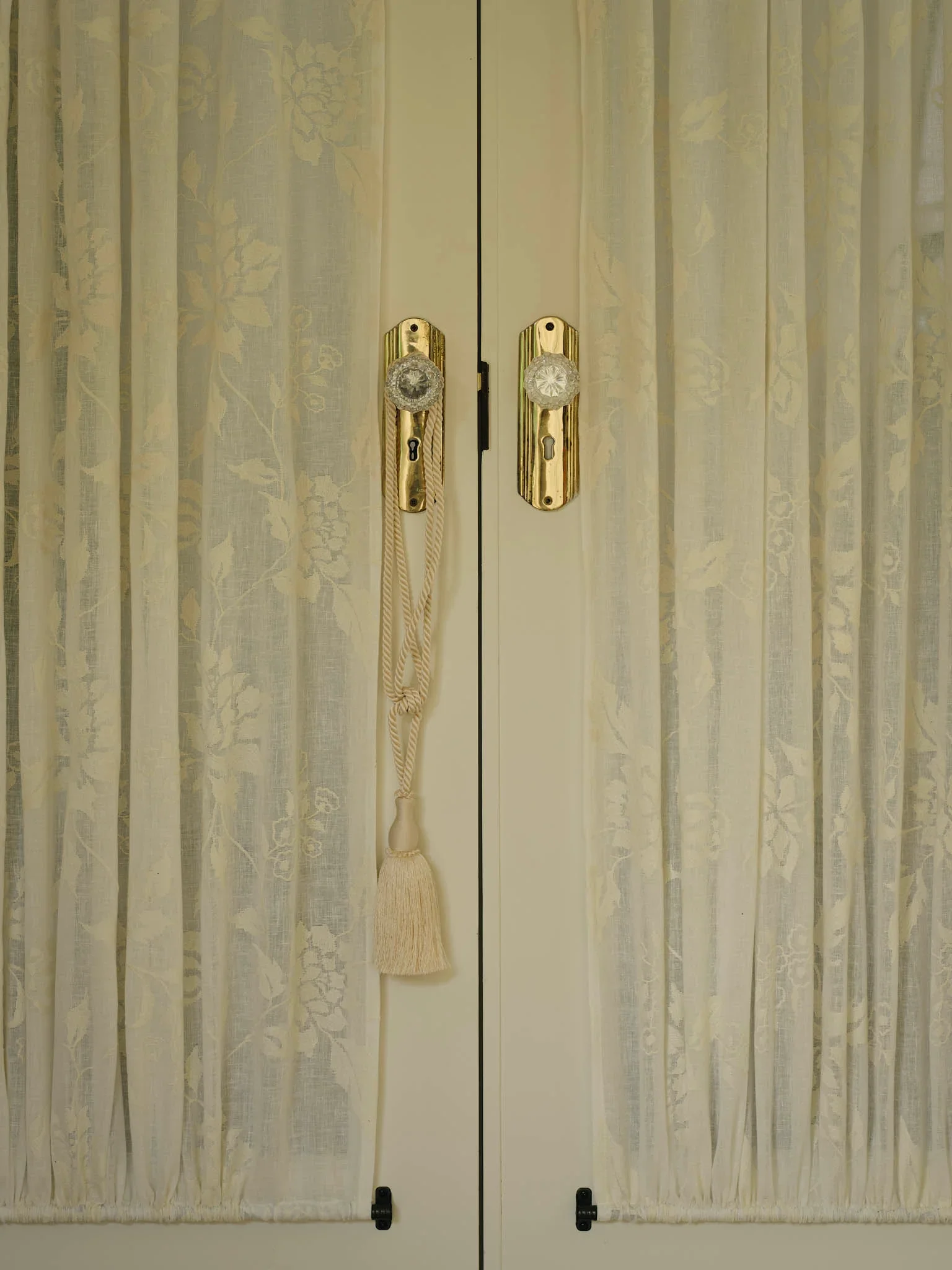
Fixed Curtains
Fixed curtains are stationary window treatments anchored in place at the top and bottom rather than sliding open and closed along a rod or track. They do not draw, slide, or open; they remain permanently in one position. Unlike free-hanging drapes, they are typically secured tightly at both the top and bottom edges for a crisp, tailored look. They’re available in full (gathered/pleated) or flat fabric styles, often using lightweight or sheer materials like linen and cotton. Ideal for small windows, sidelights, French doors, or transom windows where active sliding is unnecessary; they provide soft light diffusion and privacy without taking up space or blocking glass clearance with bulk.
Why We Love It All the softness and weight of drapery, designed for windows and doors that don’t require a fully functional treatment. Fixed Curtains frame the architecture rather than cover it, introducing fabric, proportion, and a sense of permanence around the window. We use them where a room needs the finishing effect of drapery while keeping the view and natural light largely uninterrupted.
Colors
AGH Favorite: Soft Neutral Hues
Our Why: When selecting window treatments, we prefer to go with soft neutral hues versus a true bright white. This helps add warmth to a space and creates the perfect ambiance. Drapery does not need to be the same color as the wall. There are times when we want to keep the color similar and add variation or texture through the material, but we also like a contrast! For instance, with a warm white wall, we may pair it with a sand or oatmeal; with a cooler wall, we may lean even warmer with a deeper natural color.
AGH Tip: We almost never select drapery that is lighter than the walls.


Materials
AGH Favorite: Linen
Our Why: We love to use sheer linen drapery in areas where privacy isn’t a concern. We love this look because it allows the natural light in, blending indoors and outdoors, while still adding layered warmth.
AGH Tip: When privacy is a factor in the space you’re hanging your window treatments, this is the perfect opportunity to layer/install either a heavier linen or a liner in with your window treatment. Alternatively, you can install a double rod and add two layers of drapery- one sheer and one with a privacy liner. The two tones and weights (if you use different colors) create a romantic contrast.


Styles
AGH Favorite: Tailored Pleat
Our Why: Out favorite style of drapes has a European flair: the tailored pleat. The pinched sculptural illusion is voluminous and leans traditional. This style of drapes has stood the test of time and is dramatic yet ageless.
AGH Tip: In order to compliment the refinement of pleats, our favorite style of romans is flat shades. They feel relaxed yet formal and will be a timeless coupling.
You may ask, “when do I use roman shades vs. drapes?”. Shades are perfect for layering with drapes for privacy, as well as for narrow or short windows. Cafe curtains are a great option for windows that have a seat or a ledge below them and don’t need privacy. Drapes are best for larger-scale oversized windows typically found on the biggest walls/rooms of the home.


Hardware
AGH Favorite: Oil Rubbed Bronze, French Return
Our Why: For hardware materiality, our go-to choice is oil-rubbed bronze with a soft rounded curved return. We prefer this European-inspired look over a 90 degree or a ball finial end cap to embrace organic form; it really elevates the look. We also almost always use round rings to hang for contrast against the structured style.
AGH Tip: Match drapery hardware throughout the entire home.


Installation
AGH Favorite: Hang the rod as close as possible to the ceiling; drapes should “kiss”/touch the floor
Our Why: The main style purpose of drapes is to create the illusion of height. To do this, try to hang rods as close to the ceiling as possible and have the drapes go all the way to the floor.
AGH Tip: You may ask, “when do I use roman shades vs. drapes?”. Shades are perfect for layering with drapes for privacy, as well as for narrow or short windows. Cafe curtains are a great option for windows that have a seat or a ledge below them and don’t need privacy. Drapes are best for larger-scale oversized windows typically found on the biggest walls/rooms of the home.
Shop Window Treatments


