What Makes A Good Home Unique
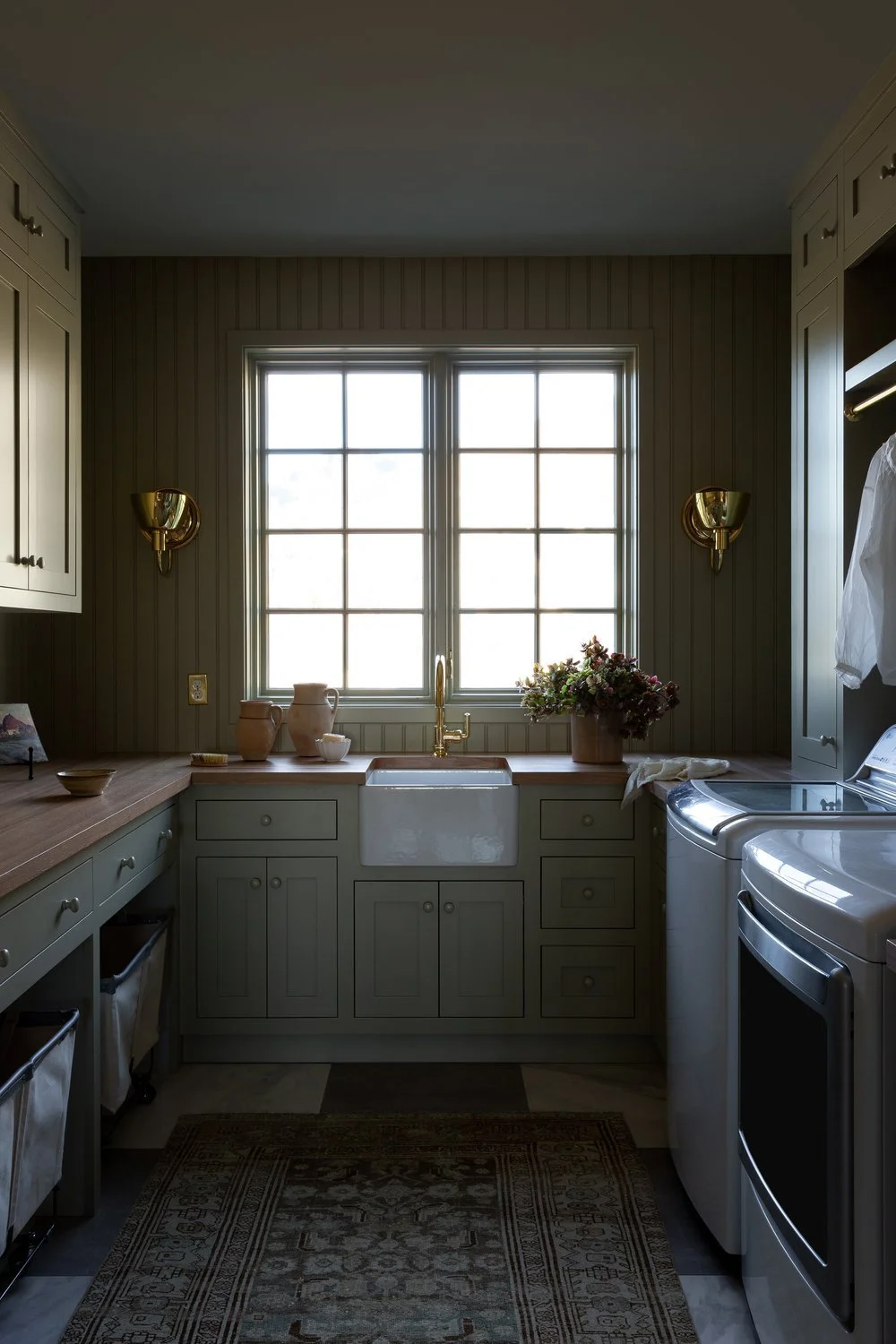
A Good Home’s niche provides a unique intersection of organization and design. Though there are numerous studios and businesses that provide each respective service, there are few that provide both. With our feet firmly in both practices, the two perspectives combine to work together, ensuring that your space doesn’t just look good, but is perfectly tailored to your functional and storage needs too. From organizational space planning and allocation, with extensive knowledge of supportive organizing materials that will be implemented down the road, to the comprehensive design and finish selections, we bring form + function to your spaces. Providing you with more below!
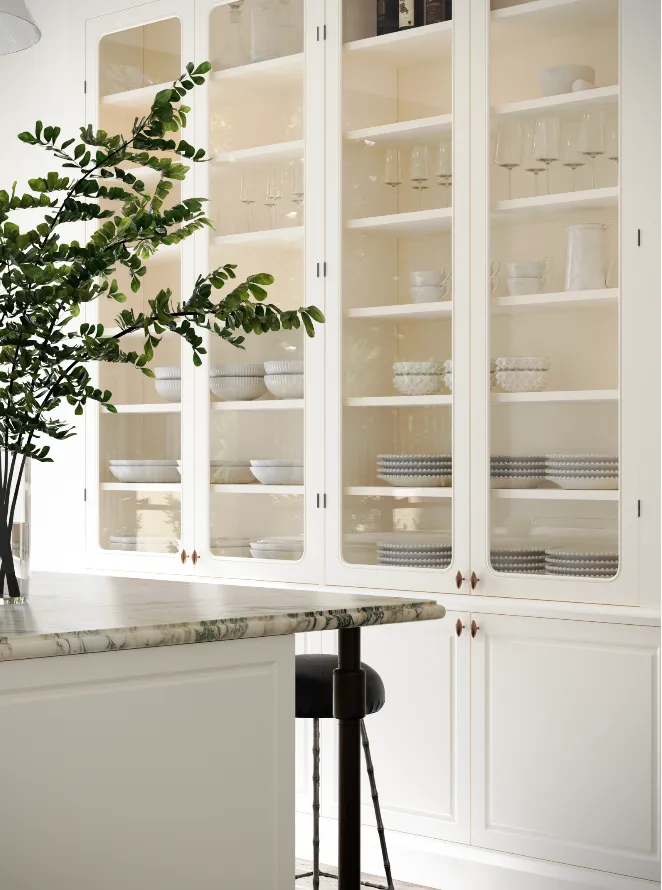
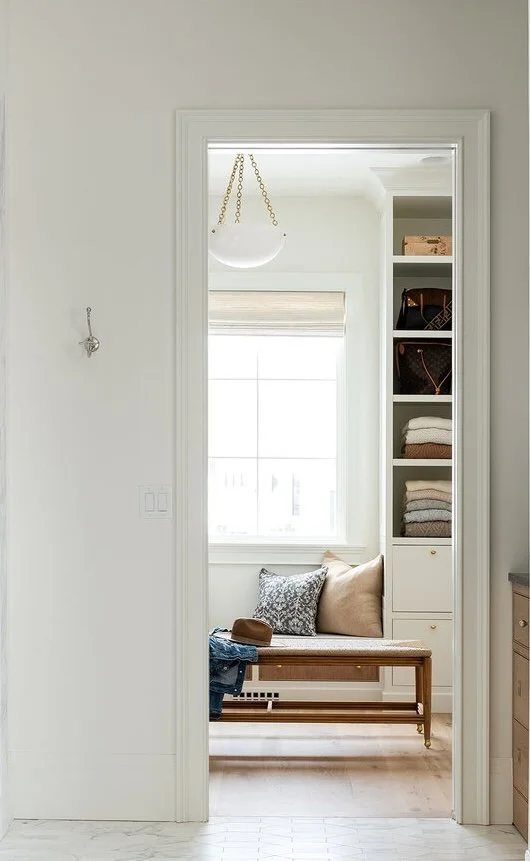
When I started A Good Home in 2017, our services initially only included organizing. While I had no official experience organizing up until that point, I had been organizing spaces for friends and families for years. I had also spent my professional career up until that point working as an executive and personal assistant in New York and Boston, and over time I began working on my bosses’ homes and personal spaces when I had extra time. Organizing was something I had known my whole life as an extension of myself and my environment, but I was naive to the fact of just how specific a skill set it truly was. As time went on, I realized that most people fell into one of three categories: 1- they don’t value organization; 2- they value organization but don’t know how to achieve it; or 3- they value organization and know how to achieve it, but don’t have the time to do so. So, I wanted to create a business that catered to the 2’s and 3’s of the world. However, what I felt was missing in the organizing industry at the time was an aesthetic approach; that, in addition to a fully functional space that provides effective storage and systems, it needed to look good, like an extension of the aesthetic of the home. So, A Good Home began.
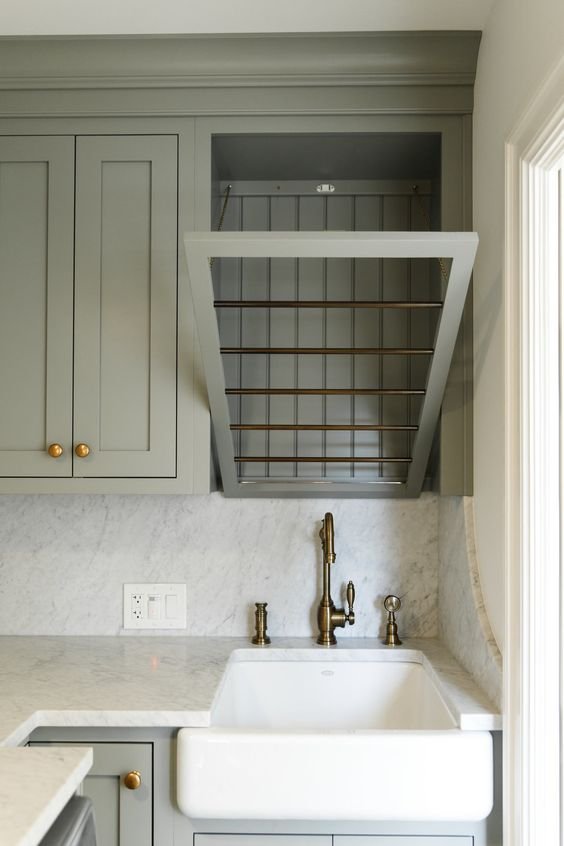
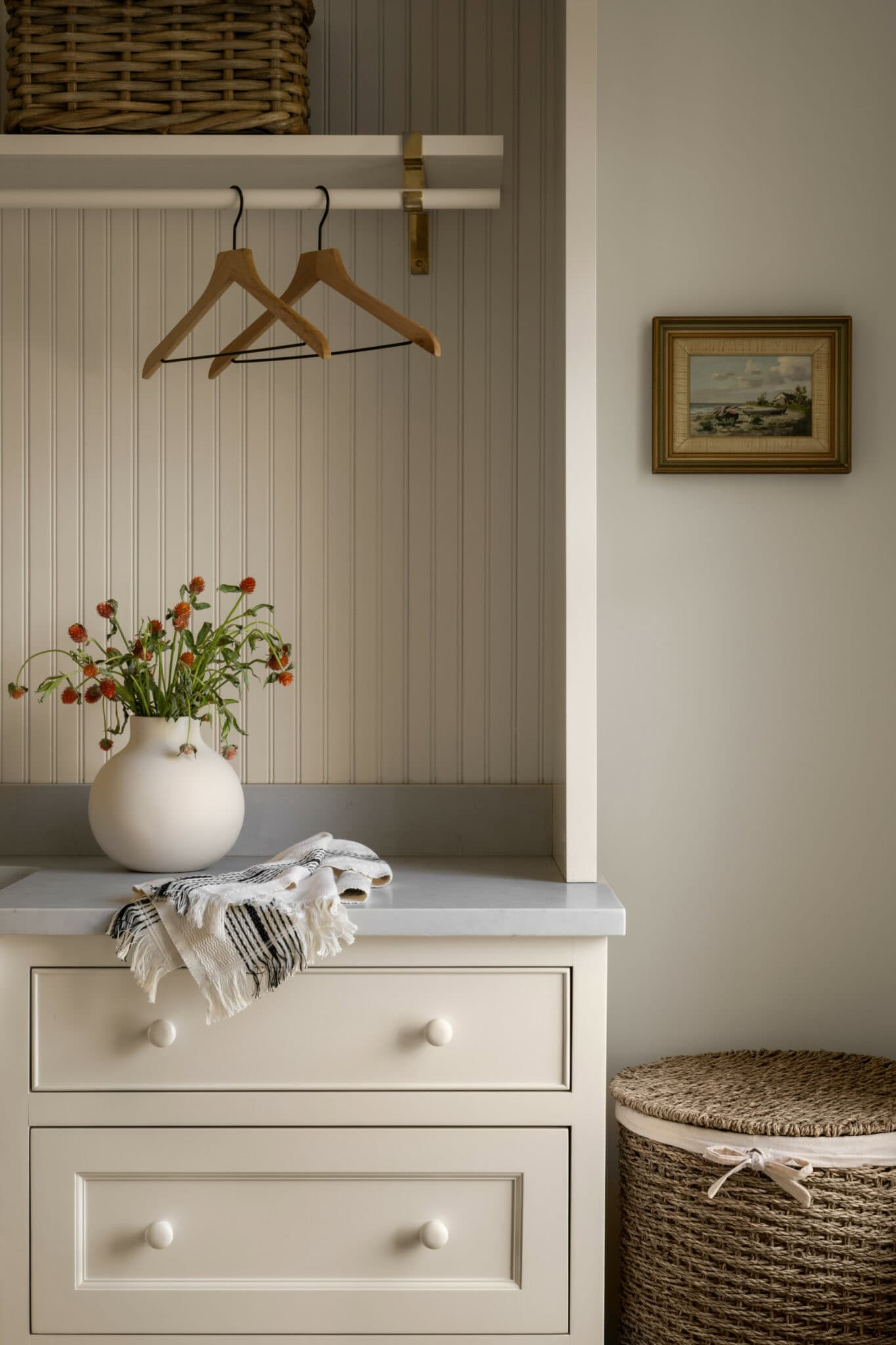
For the first four to five years of A Good Home, we focused solely on full-service home organization. When we approach our organizing projects, we first take in all of the foundational information associated with the space, like the actual physical space itself, allocation of space, context of surroundings, all of the dimensions and what’s being stored in the space. Next, we go through a layered process of determining the various categories of each space, how general or specific those categories should be within the organizing systems we’re creating, and how best to store the items from a general standpoint. We then bring beauty into the function by its layout and materials used. There’s an art form to it, and there isn’t a formula or one-size-fits-all approach.
For example, in a pantry project, we’ll take all of the dimensions of the space, whether it’s a floor-to-ceiling cabinet within a kitchen, a walk-in or something else. We’ll then collect a list of detailed inventory and context on quantities. We ask our clients a ton of questions to understand what their lives and routines look like and how they function in the pantry on a daily basis. Then, we devise our organizing design. While most pantries fall into the following categories: Beverages, Breakfast, Wellness, Snacks, Cooking, Dinner and Baking, no two pantries are the same. It’s the context of the allotted space and its dimensions, inventory quantities, our client’s daily life, and the available organizing products that ultimately shape our design.
What was consistent throughout those initial years was that we were working on existing spaces, not creating new ones or renovating them to better suit our clients. And while sometimes, the framework and details of the existing spaces were great, it also sometimes was not. For example, a client had us come in to organize after a completed pantry renovation to find really deep pantry shelves with very little height to them that were not made adjustable. While we would always make the best of an existing space, we collected so much information throughout that time about how organization can (and should) inform good design; and that not everyone had boots-on-the-ground experience to speak to that.
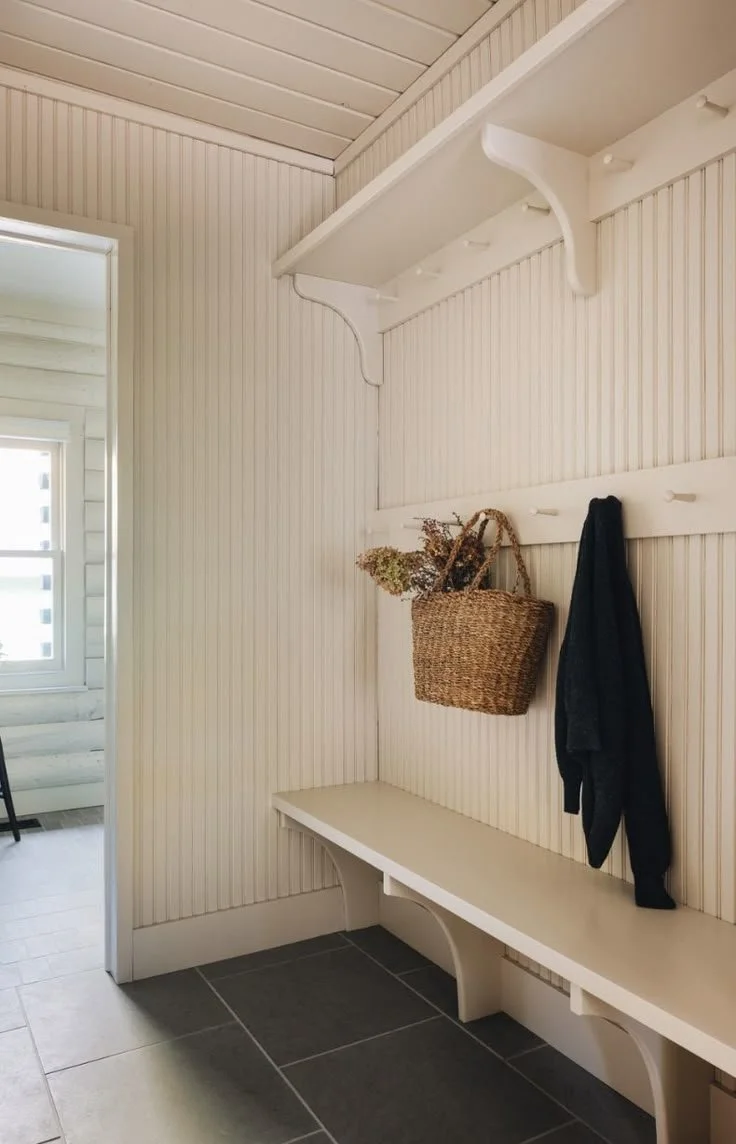
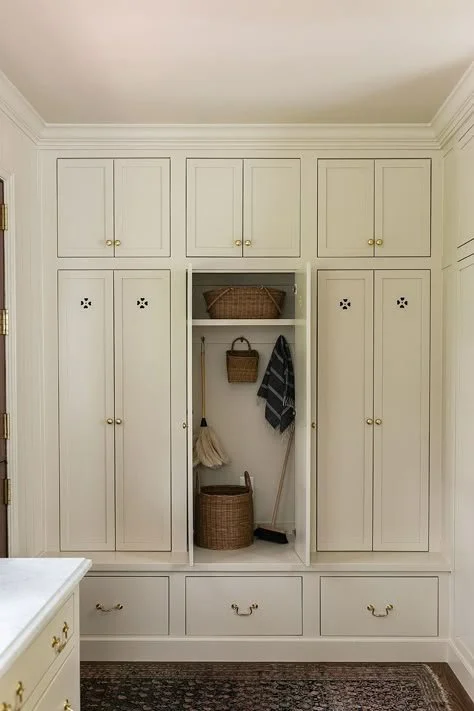
So when an existing organizing client asked us to design a new mudroom for her from scratch, a lightbulb went off. It was our first design project, but we knew how much insight, experience and value we could bring to the project from the perspective of an organizer. But beyond that skillset, I knew I could bring a space together through beautiful design decisions and details, too. This was our opportunity to begin bringing the two together in an impactful way– because they truly do go hand-in-hand. We got some initial projects under our belt working only with our existing clients on design at first, and then began officially offering our design services.
When we approach a design project, we are of course thinking about how to make a space its most beautiful version of itself. But, we are also thinking about function, daily life, routines and the nuts and bolts of that. How does this space/room/home and its details and design decisions support that function? And we have the experience to give real life, specific and accurate insight into that. It's beyond designing a pantry that looks good. It’s designing a pantry that looks good and works well for you; not conceptually, but concretely.
For example, for a renovation project we worked on in Old Lyme, during the design phase of the kitchen and pantry, prior to any finish decisions or selections, we went through the entirety of contents in her kitchen and pantry. We took time to understand all of the existing inventory that should be considered (as well as additional items they planned to purchase/include) when creating the design. Our design showed her how her kitchen and pantry supplies were best stored, from an optimal layout standpoint, as well as the inner workings/systems of the drawer, cabinets and shelves as well based on real information that was specific to her home.
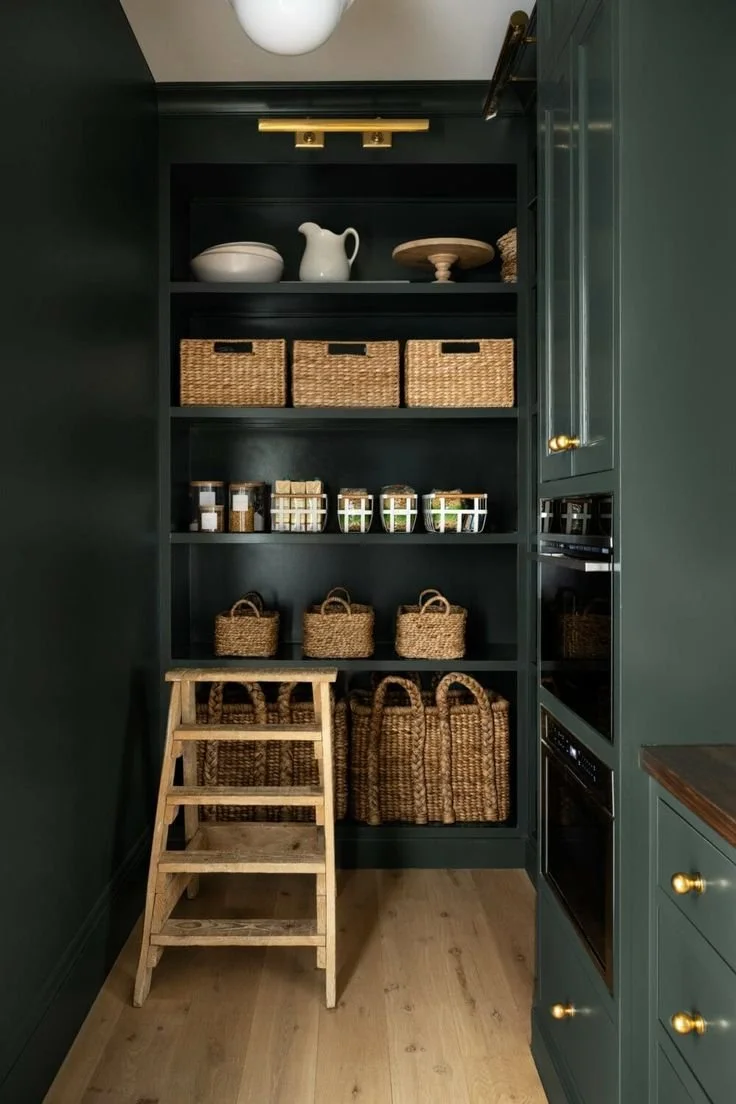
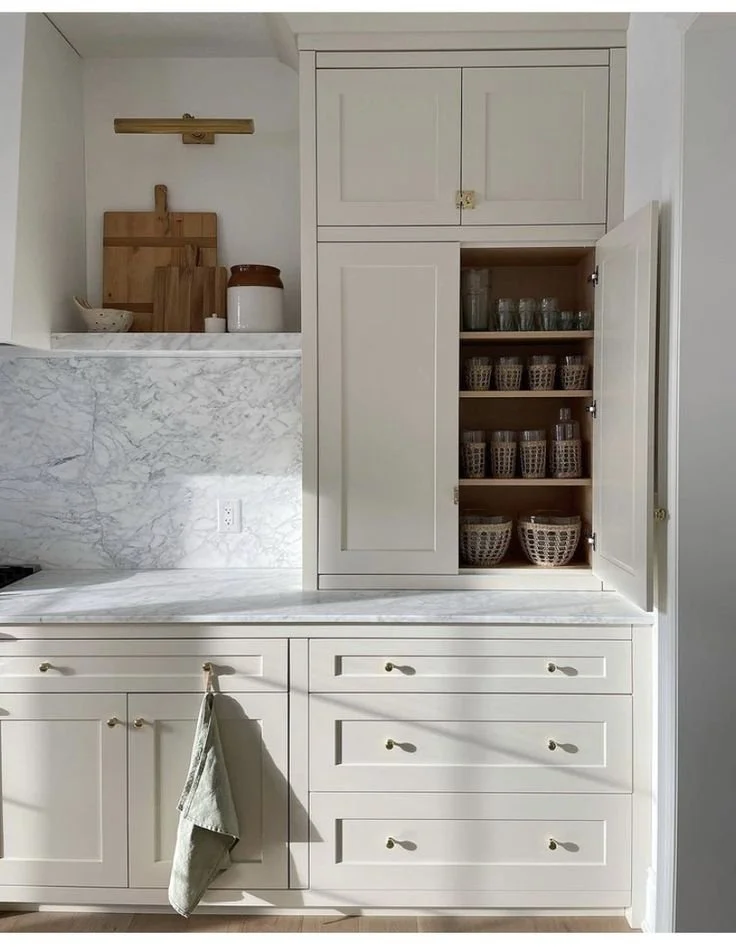
Even when working on furnishing projects, we are providing designs that ultimately bring form and function together. While an interior designer and separate home organizer could work together to achieve those things, for some it’s nice to have both of those things under one roof (and person). We’re often asked, when should we get AGH involved in the process? The first part of the answer is that it’s never too early– the second part of the answer is that it can be too late.
For example, for a renovation project we worked on in Guilford, our clients engaged us quite late in the process after design plans with their contractor had been solidified and construction was somewhat late-stage. After receiving the design plans for a custom built-in in the playroom that was already underway, I realized they had allotted only between 9-11” for all of the depth of shelves, which is entirely too shallow. At the top of their renovation budget, our client was not able to start over on the built-ins; plus, with the context of the design of the rest of the space, they would not be able to do so anyway as it would affect so many other aspects of the room. Though we did our best to create effective organizational systems for the playroom along with other design decisions and furnishings, we wish we could have been there from the beginning to help them with that.
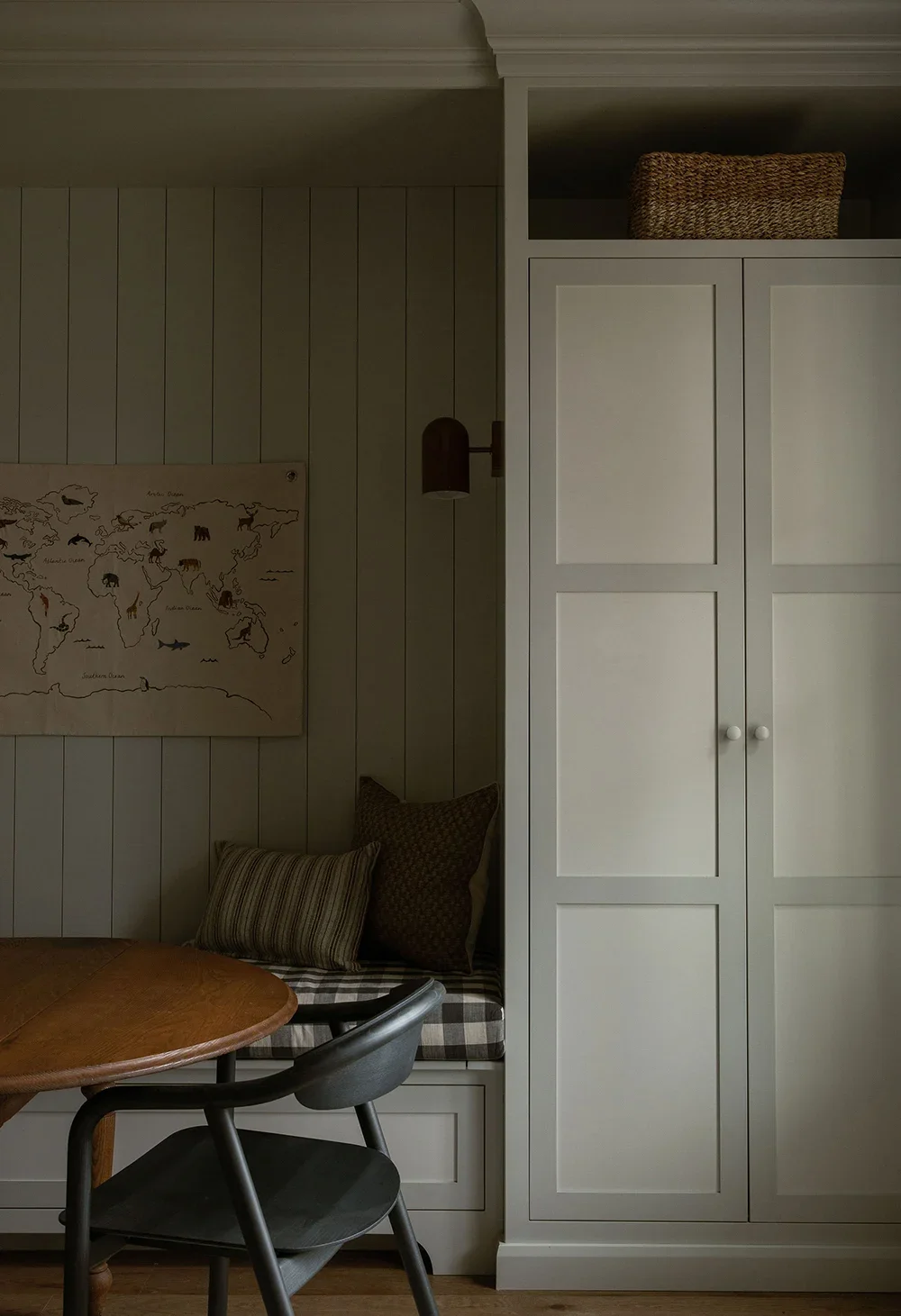
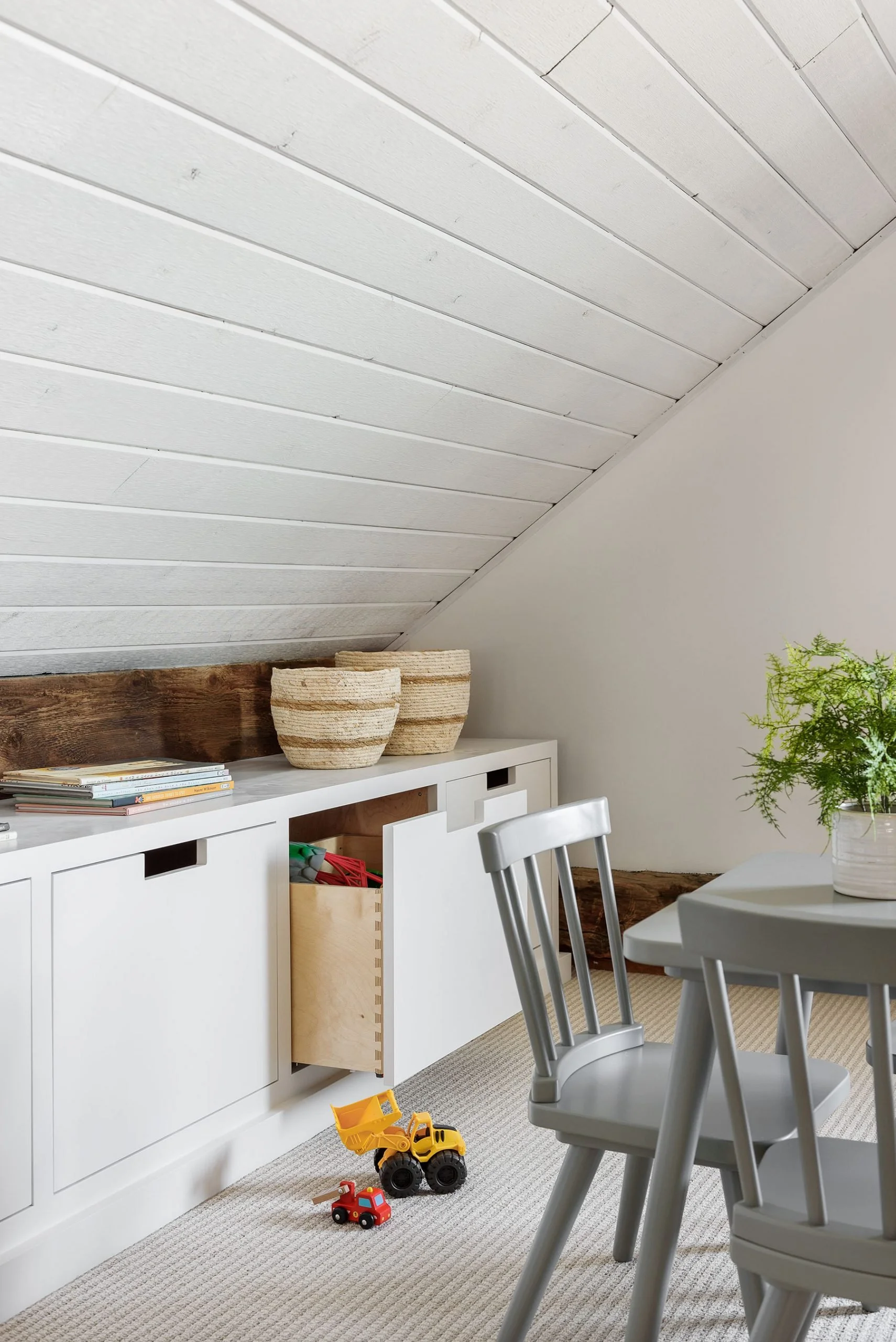
We believe that the environment of our homes affect every aspect of our lives. So if you want to feel good, we think a good home is the place to start. Whether you’re looking for beautiful organizing systems for a single project, a whole room makeover, or to tackle your entire home space-by-space, each project is unique and we’re confident that we can bring your vision to life.